 The Market Monitor Minding the Nation's Business

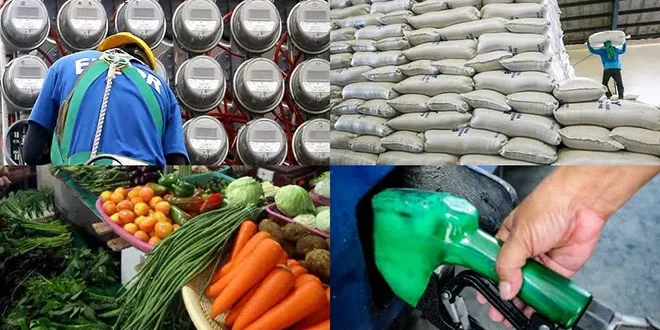
President Ferdinand R. Marcos Jr. has ordered government agencies to step up measures to keep food, fuel and electricity supplies stable as the country faces mounting economic pressures, Malacañang said last week.
Presidential Communications Office Undersecretary and Palace Press Officer Claire Castro said Marcos has particularly stressed the need to prevent disruptions in fuel supply, warning that a shortage could trigger wider business and economic problems.
The administration is continuing several measures aimed at easing the impact of higher commodity prices, including the removal of the 12 percent value-added tax on allowable system loss charges in electricity bills and efforts to manage pork supply.
Castro said government assistance programs such as the Unified Package for Livelihoods, Industry, Food and Transport (UPLIFT), Walang Gutom Program, TUPAD and the Free Rice Program are also being rolled out.
Fuel subsidies for public utility vehicle drivers and operators are likewise being continued, particularly for those affected by the ongoing crisis in the Middle East. The government is also expanding Kadiwa outlets to help provide consumers with more affordable food options.
On food security, Castro said the government is expanding palay storage facilities in Tarlac while deploying the country’s first commercially approved vaccine against African swine fever to help stabilize pork supplies ahead of the holiday season.
The Palace official said the Department of Agriculture, led by Secretary Francisco Tiu-Laurel Jr., is also coordinating with PAGASA to prepare the agriculture sector for increasingly unpredictable weather conditions.
Marcos met with Acting Executive Secretary Ralph Recto on Wednesday to discuss additional measures that could cushion consumers from rising commodity prices, particularly as the country grapples with the effects of El Niño.