 The Market Monitor Minding the Nation's Business

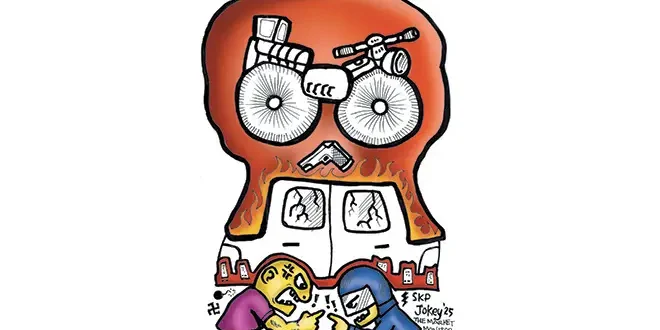
The Philippines has been witnessing a troubling surge in road rage incidents, sparking serious concerns among both authorities and the public.
The increase in these violent altercations on the road, often stemming from minor traffic disputes, is not only alarming but also poses a significant threat to public safety.
What’s more worrying is how these incidents are rapidly becoming a daily occurrence, with drivers seemingly more prone to aggression, often escalating situations to dangerous levels.
At the heart of this issue is a growing culture of impatience, entitlement, and frustration, which has intensified on the country’s already congested streets.
With traffic in Metro Manila and other urban areas at a standstill for hours every day, drivers are often subjected to stressful situations that only add to the pressure.
The long delays, coupled with the increasing number of vehicles on the road, contribute to an environment ripe for aggression.
What stands out in many of these incidents is how quickly small issues can escalate. A slight cut in line, a momentary hesitation at a red light, or a simple misunderstanding between drivers can spark confrontations.
This has led to reports of drivers attacking one another, both physically and verbally, with tragic consequences. These altercations not only result in injuries but also damage to property and, in some extreme cases, even fatalities.
The government, alongside traffic enforcement authorities, has tried to address the issue by promoting road safety campaigns, implementing stricter laws, and raising awareness about the dangers of road rage.
However, these efforts often fall short due to the difficulty in enforcing the laws consistently and the deep-rooted issues of impatience and poor road etiquette among the public.
One of the main solutions to curb this surge in road rage is instilling better road discipline and respect for others on the road. This requires both education and stricter enforcement of existing traffic rules.
Drivers need to be reminded of the importance of patience and courtesy, understanding that everyone is facing the same difficulties on the road. It also calls for more effective law enforcement, with a focus on implementing severe penalties for violent acts triggered by road rage.
Moreover, there is a need for infrastructural improvements to ease traffic congestion, which, in turn, can alleviate some of the stress that leads to road rage.
Expanding road networks, improving public transportation, and better urban planning could significantly reduce the daily traffic woes that fuel these incidents.
In the long run, tackling road rage requires a shift in the mindset of every driver. It calls for a collective effort from the government, law enforcement, and the public to foster a culture of mutual respect and understanding on the road.
Only then can we hope to see a significant reduction in road rage incidents and ensure safer journeys for everyone on the road.