 The Market Monitor Minding the Nation's Business
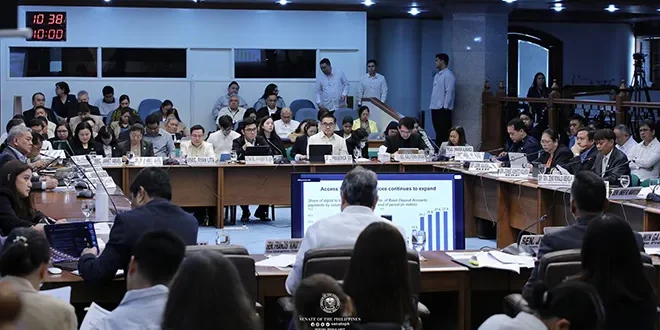
The Marcos administration is moving to speed up the procurement and implementation of government projects, particularly infrastructure, while insisting that faster spending will not come at the expense of safeguards protecting public funds.
During a Senate Committee on Finance briefing on the 2027 National Expenditure Program (NEP) Thursday, Department of Budget and Management (DBM) Acting Secretary Kim Robert de Leon said the government’s priority is to remove implementation bottlenecks that have kept already-funded projects from moving forward.
De Leon assured lawmakers that the government would accelerate infrastructure spending without weakening budgeting, procurement, accounting, and auditing controls.
“We are not proposing any relaxation of safeguards. In fact, we want more safeguards,” he said when asked whether controls over the audit and validation of infrastructure projects would be eased to speed up government spending.
“What we are looking at is how we can hasten implementation and procurement. The issue is not the safeguards. We need to implement. We have to start implementing,” De Leon added.
He identified delays in procurement, project awarding, and implementation as among the immediate obstacles that must be addressed to boost infrastructure activity.
De Leon said the government’s economic managers are targeting a recovery in infrastructure activity beginning in the third quarter of 2026. The DBM, he added, has already made available the allotments needed by the Department of Public Works and Highways (DPWH) to proceed with its projects.
The goal, he stressed, is not simply to increase the pace of government spending but to ensure that appropriated funds translate into projects that are properly planned, implemented and beneficial to the public.
Department of Economy, Planning, and Development (DepDev) Secretary Arsenio M. Balisacan likewise called for faster execution, particularly as the administration enters its final two years.
“Our direction remains anchored in the Philippine Development Plan. Over the administration’s final two years, the focus is an accelerating execution, resolving implementation bottlenecks, and translating reforms into concrete results,” Balisacan said.
Finance Secretary Finance Go, meanwhile, pledged responsible fiscal management through stronger revenue generation, prudent spending and the maintenance of fiscal buffers to shield the economy from future shocks.
Go said government resources should be concentrated on investments capable of generating employment and delivering long-term economic gains.
“Our national budget can work harder if we invest in programs and projects that can help shape our future. We must look beyond the present and invest in high multiplier programs and projects that create lasting economic value, those that create jobs,” he said.
The economic team’s position signals a push to turn budget allocations into actual economic activity more quickly, with infrastructure execution seen as a key channel for job creation, investment and growth while maintaining strict accountability for every public peso spent.