 The Market Monitor Minding the Nation's Business

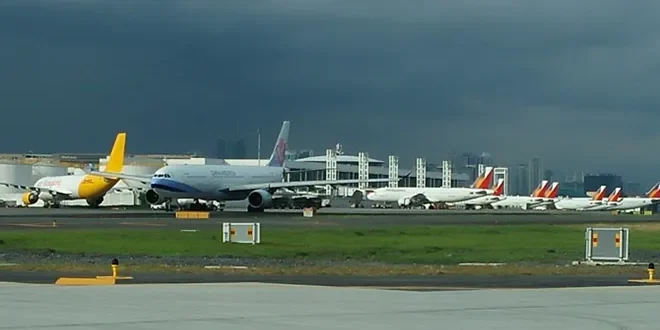
The ongoing fleet expansion race of Philippine Airlines and Cebu Pacific remain unaffected by high fuel costs and a declining peso although the two carriers are implementing measures to cushion the impact of aviation challenges, according to S&P Global Ratings.
S&P said airlines in the Asia-Pacific region are expected to post diminished earnings starting the second quarter due to elevated fuel prices and currency depreciation, with low-cost carriers such as Cebu Pacific particularly vulnerable.
S&P said in a report, “High jet fuel costs and currency depreciation against the dollar will hit Asia-Pacific airlines, especially low-cost carriers.”
The credit rating firm estimate that fuel accounts for nearly 40% of costs for low-cost carriers, higher than around 33% for legacy airlines.
S&P discovered that Cebu Pacific was among the few airlines in the region that increased its fuel hedging position following the Middle East conflict.
About half of the 22 carriers covered by the report do not hedge fuel, while those that do typically hedge only around 30% over the short term.
S&P added that PAL’s exposure to foreign exchange fluctuations is still manageable because only approximately 35% of its revenues are generated in dollars, while more than half of its expenses are dollar-linked and all borrowings are dollar-denominated.
Airlines with largely domestic revenues are vulnerable to currency weakness because fuel, maintenance, leases and aircraft purchases are typically dollar-denominated. However, international revenues can provide some natural hedge against foreign exchange movements.
S&P expects carriers to continue investing in new aircraft as strong passenger demand and lengthy delivery backlogs make delaying expansion increasingly costly.
“Giving up aircraft would put them too far back in the line, given lengthy delivery times,” it said.
PAL’s $350-million offshore bond issuance last July was cited by S&P as an example of airlines tapping international capital markets to finance fleet expansion.
S&P said a diversified mix of bank loans, leases and domestic and offshore funding should help carriers meet their investment needs.
The debt watcher expects airline margins to recover from the fourth quarter as seasonal demand strengthens. It projects Brent crude to average about $110 per barrel this year before easing to $80 in 2027.
Passenger demand has so far remained stable despite high fares. Asia-Pacific traffic fell only one to two percent year on year in May and June, while passenger yields increased by an estimated 10 to 15% as airlines passed on higher costs.
S&P stressed that the report does not constitute a rating action and that it does not publicly rate Cebu Air Inc. or PAL Holdings Inc.