 The Market Monitor Minding the Nation's Business

Power distributors could eventually be barred from passing system-loss costs on to consumers, but the Energy Regulatory Commission (ERC) said Thursday that the policy may need to be phased in to prevent financially vulnerable utilities from collapsing.
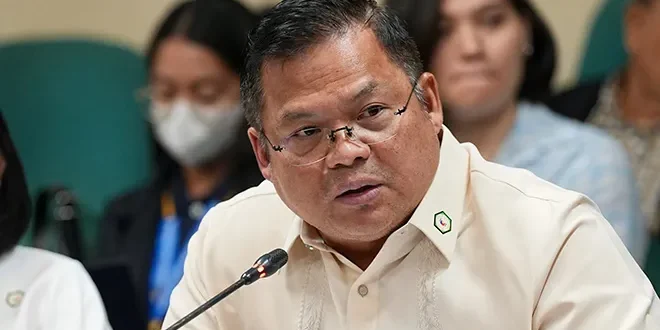
ERC Chairperson Francis Juan made the clarification during a Senate Committee on Energy hearing on whether households should continue paying for electricity lost before it reaches their meters.
“Kung tungkol po sa pagtatanggal ng recovery ng system loss, maging ito ay technical or non-technical, maaari po yan kahit i-zero o pagbawalan ang recovery ng cost na yan,” Juan said.
He clarified, however, that removing the charge would not eliminate the actual losses incurred in delivering electricity.
Technical losses occur naturally as electricity passes through power lines, transformers and other facilities. Non-technical losses, meanwhile, include electricity pilferage, illegal connections, meter tampering and other related errors.
Juan said distribution utilities could instead be required to absorb these costs, but regulators would have to consider the different financial conditions and efficiency levels of utilities nationwide.
“Dito na nga po dapat pag-usapan kung paano natin ito dapat gawin. Ito ba ay isang buhos lang, isang mabilisan na pagtatanggal o pagbabawas ng umiiral na cap o dapat ba ay mayroong phase-in na implementation ito,” he said.
Sen. Erwin Tulfo, chair of the Senate Committee on Energy, pressed the ERC to determine whether requiring power companies to shoulder the losses would actually threaten their financial viability.
“Malulugi ho ba? Magsasara ho ba lahat ito mga ito? Magsasara yung mga generator natin? NGCP, magsasara ba? Meralco, electric co-op magsasara ba? Kung alisin natin ang system loss totally, technical at saka non-technical, will they shut down? Will they go bankrupt or hindi naman?” Tulfo asked.
Juan said some distribution utilities have maintained system losses within or below regulatory limits and may therefore be better positioned to absorb the costs.
However, he noted that some utilities, particularly electric cooperatives, continue to record high system losses and already shoulder part of the expense.
Immediately transferring the entire burden to these utilities could further strain their finances and potentially threaten their continued operations, Juan warned.
Tulfo has maintained that unavoidable technical losses should be distinguished from losses caused by theft and other non-technical factors. Consumers, he said, should also know what portion of system losses they are being charged for.
Senate President Sherwin Gatchalian said entities that are responsible for reducing system losses should also bear greater responsibility for the costs.
“Kung sino ang accountable sa pagbaba ng system loss, dapat siya ang sumalo ng system loss,” Gatchalian said.
He said distribution utilities could invest in upgraded equipment, substations and power lines, as well as distributed energy systems, to reduce technical losses.
The Senate is weighing proposals to remove or reform system-loss charges as lawmakers seek ways to lower electricity bills without jeopardizing the financial viability of distribution utilities and electric cooperatives.