 The Market Monitor Minding the Nation's Business
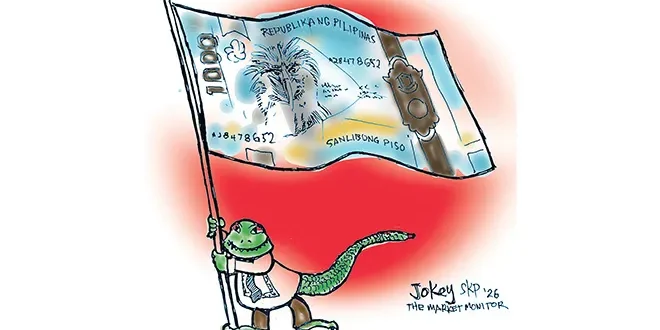
It is tempting to dismiss Senate Finance Committee Chairman JV Ejercito’s willingness to invite civil society organizations (CSOs) to the bicam hearings on the proposed ₱7.2-trillion national budget for 2027 as another public-relations exercise.
But that judgment would be premature. The real test is whether lawmakers will allow these groups to influence budget decisions rather than merely provide a democratic backdrop for political negotiations.
The People’s Budget Coalition has raised serious questions about the House of Representatives’ version of the national budget, identifying as much as ₱1 trillion in potential pork barrel allocations.
Its breakdown is particularly troubling: ₱695 billion in alleged “hard pork” for politicized infrastructure, ₱210 billion in “soft pork” for patronage-driven assistance, and ₱112 billion in “shadow pork” under unprogrammed appropriations.
These are allegations, not established findings of wrongdoing. Nevertheless, their scale demands a detailed examination by lawmakers responsible for approving public expenditures.
Senator Panfilo Lacson also invited civil society groups to participate in the bicamcommittee proceedings. Their willingness to open these negotiations to outside scrutiny is welcome, considering how consequential decisions are often made behind closed doors.
But transparency must mean more than allowing observers into a room.
CSOs must be permitted to present supporting documents, question questionable allocations and explain why certain projects may be vulnerable to political patronage.
Lawmakers should provide substantive responses rather than dismiss criticism as political interference.
The proposed PhilHealth allocation presents another urgent concern. The Health Professionals Alliance After COVID-19 warned the proposed ₱74.4-billion subsidy is insufficient to meet Filipinos’ healthcare needs and has urged the Senate to increase it.
Why should questionable infrastructure allocations and discretionary funds receive billions while the country’s health insurance system struggles to provide adequate support for patients?
Filipinos deserve to know whether their money will finance essential services or become another instrument for cultivating political loyalty.
The detailed allegations place Congress and Malacañang under pressure. They can demonstrate that public participation matters by examining the evidence and correcting questionable allocations.
Or they can invite CSOs, listen politely and proceed as planned.
The credibility of this budget process will depend on what happens after the invitations are accepted. If lawmakers shelve legitimate concerns, the promised transparency will be nothing more than an expensive political performance.