 The Market Monitor Minding the Nation's Business
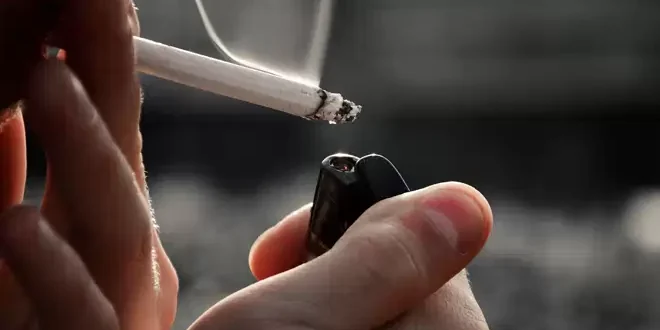
Local governments are being urged to set aside dedicated funding for tobacco control programs as health advocates push for stronger enforcement of a proposed smoke-free and vape-free law aimed at reducing preventable illnesses and the growing medical expenses of Filipino families.
Social Watch Philippines (SWP) called on lawmakers to retain the funding provisions of House Bill 9603, or the proposed Smoke-Free and Vape-Free Environment Bill, which recently secured approval from the House Committee on Health.
The measure proposes allocating 3 percent of local government health budgets to tobacco control initiatives, including research, benchmarking, smoking cessation services and public awareness campaigns.
SWP said the funding is necessary to ensure that local governments can effectively enforce restrictions on smoking and vaping, particularly in protecting children and communities from exposure to harmful substances.
Citing Philippine Statistics Authority data, the group said half of the country’s health expenditures in 2025 went to chronic illnesses such as heart disease, cancer and lung diseases. Filipino households shouldered 41.2 percent of these medical costs through out-of-pocket payments.
The Department of Health identifies smoking, vaping and exposure to secondhand smoke and vape aerosols among the leading preventable contributors to these costly diseases.
“Laws to protect Filipinos from cigarette smoke and vape aerosols will only work if local governments have the budget to enforce them,” said SWP co-convenor Dr. Ma. Victoria Raquiza.
She stressed that investing in prevention, particularly discouraging young people from taking up smoking and vaping, could spare families from expensive hospital bills.
Recognizing that some local government units (LGUs) have limited financial resources, SWP proposed integrating tobacco control activities into existing programs for noncommunicable diseases and tapping other available funding sources.
Provinces and cities could also use the Special Health Fund under the Universal Health Care Act to finance information campaigns, while lower-income LGUs could tap their 20-percent Development Fund and gradually expand implementation as their financial capacity improves.
The group also cited Republic Act 11467, or the Ease of Paying Taxes Act, which provides for the allocation of 20 percent of taxes collected from alcohol, heated tobacco and vape products for Sustainable Development Goals initiatives.
SWP suggested using these funds to support the United Nations’ Sustainable Development Goal Target 3.a, which focuses on strengthening the implementation of tobacco control measures.
Raquiza welcomed the House health committee’s approval of the proposed legislation during National Children’s Month, crediting its members for responding to the concerns of health advocates.
She specifically thanked committee chairperson and Manila 4th District Rep. Giselle Maceda for supporting the measure.
Raquiza urged lawmakers to preserve the proposed funding allocation as the bill moves through the legislative process, saying sustained financial support would be critical to protecting public health and reducing the long-term economic burden of preventable diseases.