 The Market Monitor Minding the Nation's Business
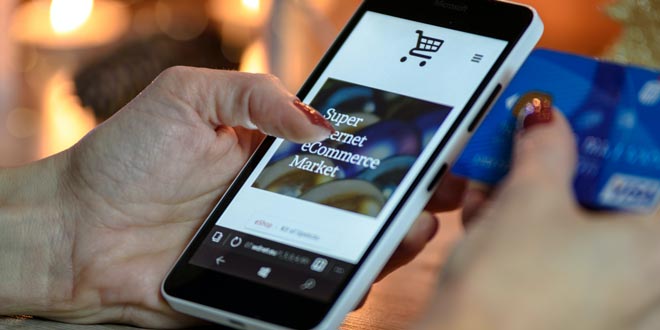
E-commerce brands in the Philippines and Southeast Asia are reportedly increasing their Direct-to-Consumer (D2C) presence by opening their own web stores, building on their existing marketplace to take control of customer journeys.
The number of web stores in the country is expected to increase by 56% this year, according to LOCAD, the leading Asian logistics platform that enables businesses to build, expand and sustain their e-commerce operations.
This trend is supported by data from e-commerce data platform Storeleads which said the Southeast Asian market has witnessed a monumental surge in the volume of web stores in Woocommerce and Shopify, experiencing 50% and 61% growth respectively from 2019 to 2021.
LOCAD CEO and co-founder Constantin Robertz explained why this trend is set to go full swing this year: “E-commerce has pushed the playing field wide open for the ‘rise of the many,’ with new brands popping up, offering strong product value in all categories, challenging incumbents,” he says. “For brands that get it right, a direct-to-consumer approach is a transformational opportunity offering higher margins, more customer insights, and a better control over the brand experience.”
Search volumes on merchant-and-seller related queries are rising up to 18 times versus 2017. The rise in online selling, according to LOCAD’s report, can also be attributed to the boost in D2C brands joining the e-commerce bandwagon.
Traditional brands dive into the D2C market
Business/brand owners are beginning to see their web store as a vital sales channel to boost their growth, complementing their marketplace stores. LOCAD notes that the D2C strategy can sharpen a brand’s competitive edge given the surge of new sellers into the digital space.
From 3,341 web stores in Shopify in 2019, this increased from 2020 and 2021 to 7,792 to 8,562, respectively. The number of Woocommerce web stores followed the same trend – from 6,287 in 2019, to 9,554 in 2020, and 12,731 in 2021
More retailers are expected to slowly grow their D2C channels to gain leverage over their competitors. Even though foot traffic is expected to slowly increase with the easing of the COVID-19 restrictions, LOCAD expects that many retailers would still pursue the digital D2C path to build their brand and increasingly draw in online shopping patrons.
D2Cs expand reach and categories
LOCAD reported that the pandemic allowed people to grow accustomed to mainly buying online. D2C brands satisfied their customers and retained their loyalty because the delivered product aligned with the perceptions created.
The pandemic though posed a challenge: reduced consumer expansion due to loss of jobs or income. Thus, companies ventured outside of their local markets and went global with e-commerce platforms like LOCAD.
Another solution that brands took was expanding their reach to adjacent categories. Product diversification allowed more D2C brands to sustain their business, despite a potential industry downturn or aggressive competitors.
Videos as drivers of online traffic and sales
With social media entering the e-commerce space, video content that drives online traffic will play a crucial role in consumer spending, dominating social media platforms such as Facebook, YouTube, Instagram, and most recently Tiktok. According to Cisco, videos composed 81% of online traffic in 2021.
Video has also been identified as a pressing factor. Up to half of customers surveyed said that a video they watched affected their purchasing decision, indicating the rising global trend of video shopping.
In the Philippines, this has become more apparent with the popularity of live selling, unboxing, and tutorial video content that D2C brands capitalize on either on their websites or on their social networking sites.
Customers to establish service differentiator
Online consumers shop online primarily for convenience and accessibility. Apart from getting quality items, customers want to be assured that their packages arrive safely and on time. LOCAD estimates that in 2022, customers will not only focus on fast delivery but also prefer online retailers who have a reliable return policy. LOCAD is spearheading partnerships with other brands who can make delivery more efficient, reliable and secure.
As the region slowly inches back to the new normal, the rising e-commerce industry will face challenges like supply chain issues and consumers’ more demanding expectations.
However, brands who conduct a D2C strategy can position themselves strongly to thrive in their markets.