 The Market Monitor Minding the Nation's Business
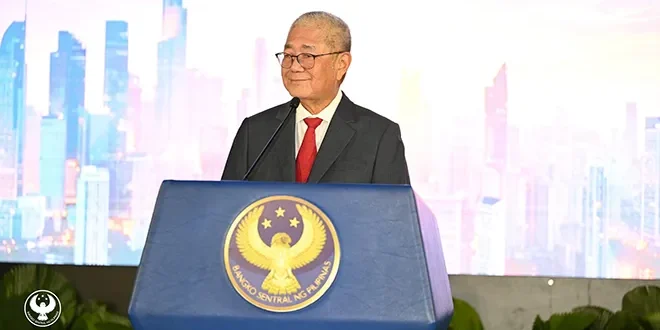
The Bangko Sentral ng Pilipinas on Thursday raised its key policy rate by 25 basis points to 4.5 percent, citing worsening inflation pressures driven by rising global oil prices linked to the Middle East conflict.
In its latest move, the Monetary Board also adjusted the overnight lending and deposit facility rates to 5 percent and 4 percent, respectively. It was the central bank’s first rate hike since October 2023.
BSP Governor Eli Remolona Jr. said the decision was necessary due to a deteriorating inflation outlook.
“The reason is clear. Inflation outlook has deteriorated amid the ongoing conflict in the Middle East. Higher oil and fertilizer prices are expected to spill over to food prices and services,” he said.
He added that inflation risks are broadening, with core inflation rising and expectations threatening to move further away from target levels.
“Core inflation is rising, highlighting the risk of demand-driven inflation. Headline inflation is now projected to breach our tolerance range, not just this year, but in 2027 as well. Inflation expectations are rising further, increasing the risk that they will de-anchor from our target,” Remolona said.
BSP Deputy Governor Zeno Abenoja said inflation is now expected to average 6.3 percent this year before easing to 4.3 percent in 2027, reflecting broad-based price pressures across consumer goods.
The central bank said the preemptive tightening aims to contain spillover effects from higher global commodity prices—particularly oil and fertilizer—on transport, food, and services.
“This measured increase is intended to contain the build-up of spillover effects and keep inflation expectations anchored. It should still accommodate economic recovery over the medium term,” Remolona said.
The Monetary Board also assured the public it remains committed to bringing inflation back toward its 3 percent target, and will take further action if necessary to stabilize prices.