 The Market Monitor Minding the Nation's Business
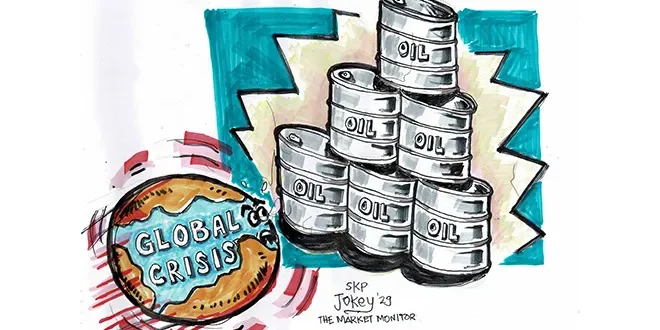
The last-minute two-week ceasefire in the Middle East may have spared the region from plunging into a catastrophic escalation, even as it offered a convenient off-ramp for the very forces that pushed it to the brink. The reopening of the Strait of Hormuz—one of the world’s most critical sea lane corridors—immediately triggered a sharp drop in global oil prices, underscoring just how fragile and reactive the energy market remains to geopolitical tensions.
For President Donald Trump, whose rhetoric and brinkmanship created the crisis, the ceasefire provides an opportunity to claim victory, regardless of how tenuous or self-serving that narrative may be.
Yet while the rest of the world cautiously exhales, the Philippines appears trapped in a familiar cycle of reactive governance. Despite easing global oil prices, there has been no decisive move to suspend fuel excise taxes, no approval of long-overdue fare adjustments, and no clear roadmap to stabilize the transport and energy sectors.
Instead, the government continues to rely on stopgap measures—fuel subsidies, cash assistance, and the looming threat of rationing—none of which address the structural vulnerabilities exposed by the crisis.
Neighboring countries have acted more decisively, slashing fuel taxes to cushion their economies from volatility. In contrast, local pump prices in the Philippines remain stubbornly high, partly due to the oil deregulation law that allows companies to adjust prices with minimal government intervention. This regulatory environment, while designed to encourage competition, often leaves consumers at the mercy of global price swings and corporate discretion.
The lesson is clear: crisis management cannot substitute for long-term planning. The Philippines must diversify its energy sources, seriously invest in renewable alternatives, and revisit policies that limit the government’s ability to intervene in critical sectors. Lowering fuel taxes during emergencies should not be seen as a concession but as a necessary tool to protect the broader economy.
As the world watches whether the ceasefire will hold, Philippine policymakers must confront an uncomfortable truth: the global crisis may be easing, but the country’s energy insecurity and policy inertia remain unresolved. Without bold reforms, the next shock may not just strain the system—it could break it.