 The Market Monitor Minding the Nation's Business
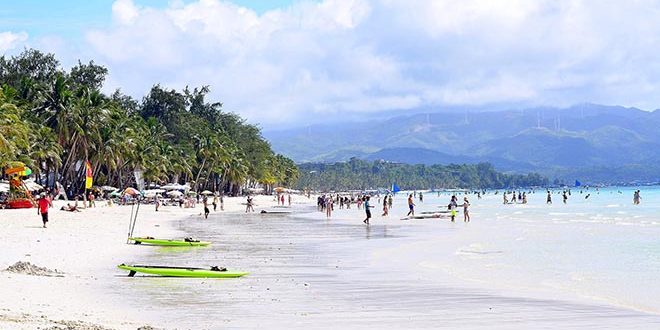
Filipinos welcome summer with open arms – despite of or due to the heat wave – being the first summer people free from the pandemic restrictions.
While they plan their summer vacations, they need to stay out of harm’s way. Summer comes with its share of seasonal health issues.
“The scorching temperature is responsible for common heat-related illnesses. Vacation spots are also full at this time of the year, and with the volume of people using pools, playgrounds, camping sites, and other public areas, catching a communicable disease is almost inevitable,” said Amado A. Flores III, MD, chairman, Emergency Medicine Department, Makati Medical Center.
Dr. Flores recommends the following first-aid measures to take to help provide some quick relief:
Sunburn
Sunburn happens when you get expose too much in the sun, resulting in red and inflamed skin that is painful when touched.
“Bathe or shower in cool water. When you finish, gently pat yourself dry with a towel but leave a little water on your skin. Slather on some moisturizing lotion to trap the water in your skin and prevent dryness,” said Dr. Flores.
If your sunburn is so bad that you develop blisters, it is best to leave them alone. Blisters are an indication of a second-degree sunburn. Popping them could lead to an infection and they are best left to heal on their own.
To prevent future sunburns, apply sunblock with an SPF of at least 30 every two hours, especially if you go for a swim or you sweat a lot.
Prickly heat
Prickly heat refers to the small, raised red rashes on the skin caused by a combination of hot and humid weather, sweating and tight clothes. It usually develops on the neck, shoulders, chest, back, armpits, elbow creases, and groin.
“A cool bath or shower should ease any itchiness and irritation. Stay in cool areas, wear loose clothing, and avoid scratching the rash. Calamine lotion, 1% hydrocortisone cream, or a prescription cream can help lessen the itchiness and swelling,” Dr. Flores reminded.
Heat exhaustion
It happens when you over-exert in hot and humid weather, causing your body temperature to rise. Heat exhaustion is a potentially life-threatening condition, and symptoms include heavy sweating, elevated body temperature, dehydration, nausea, dizziness, weakness and headache.
“If someone is showing signs of heat exhaustion, move the person to a cooler spot, loosen his clothing, give cold water to drink, and apply cold compress or take a cool bath,” said Dr. Flores.
But if the symptoms progress to confusion, seizures or unconsciousness, it is no longer just heat exhaustion but already heat stroke.
Food poisoning
Bacteria thrive and multiply faster in warm weather. Preparing food at the picnic area, beach resort or other outdoor places only increases the risk of exposure to germs. Diarrhea, vomiting and fever may occur hours, even minutes, after ingestion of contaminated food.
“Fluid and electrolyte replacement help resolve food poisoning and prevent dehydration,” said Dr. Flores.
Other ways of preventing food poisoning: Consume food immediately after it is cooked; keep leftovers in the refrigerator and reheat before eating; wash hands before and after handling food; and don’t drink water from questionable sources.
Knowing how these common summer ailments may affect you and how they can be prevented will come in handy as you take those planned trips.
“Being aware and prepared will help ensure that you make the most out of your vacation, and fully enjoy what the war has to offer,” Dr. Flores said.