 The Market Monitor Minding the Nation's Business
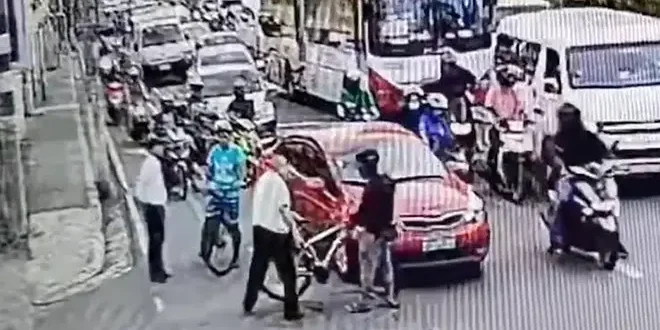
Road rage is becoming a serious and growing menace on Philippine roads. While currently covered by provisions of the Revised Penal Code, lawmakers are pushing for a comprehensive Anti-Road Rage Act to define it as a specific crime and impose stiffer penalties.
The problem has grown alongside the surge in motorcycle use. In just over a decade, registrations nearly doubled from 5 million to more than 9 million, and could surpass 12 million by 2027. Along with this growth came a troubling rise in violations and confrontations. The Philippine National Police-Highway Patrol Group logged more than 10,000 road rage incidents in 2023, a sharp jump from just 6,200 in 2019.
Officials say the root cause is the lack of discipline on the road.
Light Rail Transit Authority deputy administrator for operations and engineering Assistant Secretary Paul Chua pointed out that many motorcycle riders have normalized reckless practices such as swerving, counterflowing, riding on sidewalks and beating red lights—fueling conflict and putting lives at risk.
While drivers of four-wheeled vehicles are usually trained in defensive driving and generally follow rules, many riders of motorcycles, tricycles and e-bikes display offensive behavior, prioritizing shortcuts over safety. This widening gap in driving culture has turned daily traffic into a breeding ground for road rage.
The problem is worsened by regulatory gaps.
Many e-motorcycles are unregistered, uninsured and even operated by minors or untrained riders, yet violations often go unchecked. Enforcement, critics note, is inconsistent and sometimes selective: car drivers are penalized for minor infractions while motorcycles and tricycles openly flout rules. This perception of favoritism erodes public trust and escalates tensions, especially when riders respond aggressively to traffic enforcers.
Underlying the problem is a lack of proper training and awareness.
Many riders were never taught basic road rules or defensive driving, making it difficult to resolve conflicts with reason. As frustrations mount, aggression replaces accountability.
Experts stress that lasting reform requires firm and consistent enforcement, backed by education and political will.
They note that where no-contact apprehension is applied, violations decline, showing that certain and meaningful penalties can change behavior. But they warn that without nationwide standards, public anger and violent road confrontations will only worsen.As Asec. Chua emphasized, road rage is not just a byproduct of congestion but a reflection of selective enforcement, ignorance of traffic laws and a culture of impunity. “Leaders must have the courage to implement hard reforms—even when unpopular,” he said. “Only through fair, firm and consistent enforcement can our roads truly become safe for all Filipinos—motorists and pedestrians alike.” TRACY CABRERA