 The Market Monitor Minding the Nation's Business
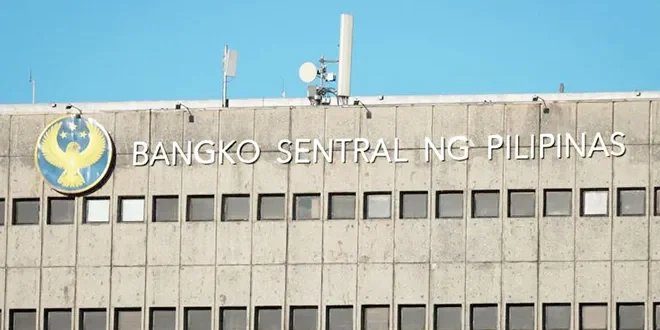
From 1.4% one year ago to a likely 6.4% in April, 2026 — that’s a full 5-percent increase, and that’s the estimate of many officials, including those from the Bangko Sentral ng Pilipinas (BSP).
The official inflation rate for last month is scheduled to be announced tomorrow, May 5.
The BSP said the higher expectations for inflation are driven by higher prices of fuel, electricity and food, all traceable to the still unresolved war in West Asia, as well as the sudden weakness of the Philippine peso.
In its conservative forecast, the BSP said inflation may have further quickened to between 5.6% and 6.4% in April from the 1.4% print a year ago and 4.1% in March.
At the upper end of the forecast, inflation may have surged to its fastest pace in three years or since the 6.6% in April 2023.
At the bottom end, inflation would still be the fastest print in over two years or since the 6.1% clip in September 2023.
If the forecast is realized, April would mark the second month in a row that annual inflation settled above the 2%-4% range.
“Inflation risks have intensified amid upward price pressures from significantly higher domestic petroleum prices, rising prices of key food items such as rice, fish, and meat, increased electricity charges, and the peso depreciation,” the central bank said in a statement.
Fuel prices remained elevated in April as the conflict in the Middle East continued. The Philippines is a net oil importer, with nearly all of its oil supply coming from the Middle East.
Year to date, net price increases reached P44.23 per liter for gasoline, P48.96 for diesel, and P57.99 for kerosene.
Power rates have also gone up. Manila Electric Co. raised rates by P0.5335 per kilowatt-hour (kWh), bringing the overall rate to P14.3496 per kWh for April, citing higher generation costs linked to the peso depreciation.
The peso closed at P61.485 against the dollar on April 30, weakening by 73.7 centavos from its P60.748 close on March 31. It hit a record low of P61.567 on April 29.
At the same time, rice prices continued to climb in April, with the average cost of regular milled rice rising by 15.9% to P51.53 in the April 15 to 17 period from P44.44 a year earlier.
The price of well-milled rice jumped by 15.3% year on year to P58.88 a kilo, while the price of special rice climbed by an annual 9.8% to P66.23 per kilo.
“The anticipated decline in vegetable and fruit prices may help temper inflation, but sources of upside price pressures continue to warrant close monitoring,” the BSP said.
The central bank said last week that it now expects inflation to average 6.3% this year and 4.3% next year, both above its tolerance band.
The BSP said it will stay vigilant and continue to monitor recent developments in the Middle East for their impact on inflation and economic activity.
Last week, the central bank hiked its policy rate for the first time in over two years, bringing the benchmark to 4.5%.