 The Market Monitor Minding the Nation's Business
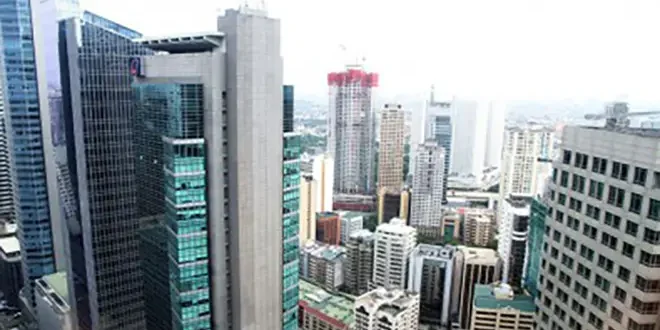
The oversupply of residential condominium units, partly caused by the exit of Philippine Offshore Gaming Operators (POGOs), has dampened gains from rental properties, according to Leechiu Property Consultants.
Roy Golez, the firm’s director for research and consultancy, said the sharpest drop in rental rates compared to pre-pandemic levels was recorded in the Manila Bay area, which covers Parañaque and Pasay cities.
Based on Leechiu’s third quarter 2025 Philippine Property Market Report, average rent per square meter in the bay area has plunged by 52 percent from the first quarter of 2020.
It was followed by Alabang in Muntinlupa City, down 39 percent; Ortigas and Mandaluyong, 22 percent; and Makati, 18 percent.
In contrast, rental rates in Taguig City climbed 17 percent, with Bonifacio Global City (BGC) recording a 3 percent uptick.
Golez said oversupply, compounded by reduced bank lending rates due to the Bangko Sentral ng Pilipinas’ rate adjustments, has limited rental income growth.
Before the pandemic and the POGO shutdown, property owners could still earn from rentals even after loan payments, he said.
However, Golez noted that recovery is underway as more corporations and banks move their headquarters to BGC and Makati.
“We expect Makati to recover much faster as soon as these office buildings are finished. Perhaps in the next two to four years, Makati numbers should be much better,” he said.
Golez also pointed out that rising construction costs are preventing developers from lowering condominium prices, which limits affordability for middle-income buyers.
He said government financing institutions like the Pag-IBIG Fund, GSIS, and Social Housing Financing Corporation could help sustain demand through long-term, low-interest housing loans.