 The Market Monitor Minding the Nation's Business
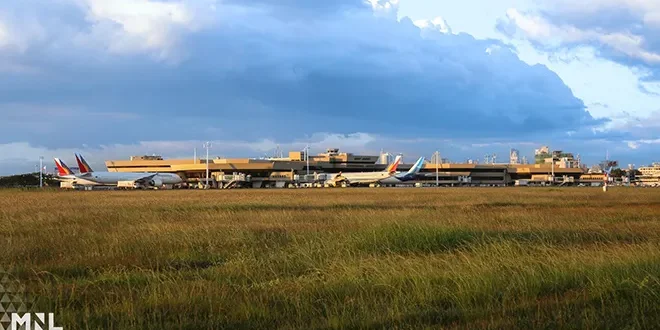
The still unresolved congestion at the Ninoy Aquino International Airport (NAIA) is causing delays in the release of imported semiconductor materials and preventing the efficient turnaround of manufacturing commitments of Philippines.
Philippine Chamber of Commerce and Industry (PCCI) president Ferdinand Ferrer reported that the rate of cargo shipments being cleared at NAIA within three days declined to around 76% this year compared to 95% last year.
The delays are mostly affecting the semiconductor industry. Manufacturers rely on air freight to import silicon wafers and other critical components for assembly, testing and packaging before shipping them back.
Ferrer said, “The wafers and parts come through the airport, not through the seaports, and it’s taking that long. It’s really impacting delivery. We import the wafers, process them here within days, and then ship them out again by air. That’s how critical these shipments are.”
Semiconductor manufacturers operate under lean manufacturing systems that require rapid turnaround times and minimal inventories.
Ferrer was unable to provide an estimate of the financial losses resulting from the delays.
The congestion problem began in early June and stems from a shortage of warehouse space at the airport, Ferrer said.
The Bureau of Customs already cleared the cargo shipments, but insufficient storage facilities are holding them up.
Possible solutions offered by airport authorities include using additional warehouse facility across the airport’s duty-free area, Ferrer said.
The issue also affects storage devices and other critical manufacturing components.
Industry stakeholders are continuing discussions with airport authorities to address the warehousing bottleneck and restore faster cargo processing.