 The Market Monitor Minding the Nation's Business
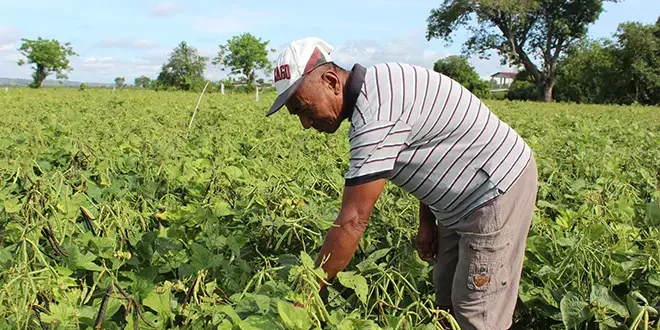
THE damage on irrigation systems caused by illegal quarrying in the Upper Pampanga River Irrigation System (UPRIS) is expected to disrupt the planting of rice in 37,000 hectares in Nueva Ecija– the country’s rice bowl – prompting the Department of Agriculture to shift production in said farms to mungbean production.
The disruption threatens to slash the country’s summer rice harvest from Nueva Ecija, the top rice-producing province, and leave thousands of farmers without a major source of income for months.
DA Secretary Francisco P. Tiu Laurel Jr. said the irrigation damage will leave a sizable dent in output early next year by as much as 120,000 metric tons.
“The way to manage this situation is to adopt crop diversification, and both NIA and the DA will jumpstart munggo production to provide additional income for affected farmers, reduce our importation by increasing munggo self-sufficiency and complement the supply of nutrient-dense food in every community,” he explained.
As munggo is a basic necessity, the local demand for processing such as munggo hopia, ready-to-eat munggo soup, lumpiang togue shall also be addressed at the same time serving as opportunity for farmers to diversify their income from this cash-crop which is harvested in a shorter time than rice, he added.
The Philippines imports nearly 50,000 metric tons yearly of mung beans making the crop both a potential buffer for lost rice supply and an import substitution opportunity.
Mung beans mature in about 60 days, roughly half the growing time of rice, allowing farmers to recover some income while irrigation repairs continue.
Although average yields in Nueva Ecija hover at roughly 0.7 metric tons per hectare, farmers can still earn about P22,600 per hectare at current selling prices of around P70 per kilo. Other mung bean varieties could yield more per hectare.
Laurel said the DA plans to manage the mung bean planting cycle alongside import controls to ensure farmgate prices remain profitable. “If we know what is lacking and what is in surplus, then we can plan better for the needs of our country. Since 37,000 hectares in UPRIS are down, planting munggo makes sense. When harvest season comes, we must time importation so our farmers profit,” he said.
For expansion and to meet munggo self-sufficiency, NIA and the DA High-Value Crops Development will closely collaborate to develop the mungbean industry, targeting additional 21,000 hectares along NIA’s irrigation system.
Beyond mung beans, Laurel stressed that better data and tighter import management—especially once the new Rice App goes live—will be central to preventing farmgate prices from collapsing, as they did when rice prices fell by as much as P8 to P10 per kilo in previous cycles.
“We aim for fair prices for consumers and real profit for our farmers,” Tiu Laurel said, adding that improved crop planning, import timing and irrigation protection will be key pillars of agricultural management moving forward. (DA Press Office)