 The Market Monitor Minding the Nation's Business
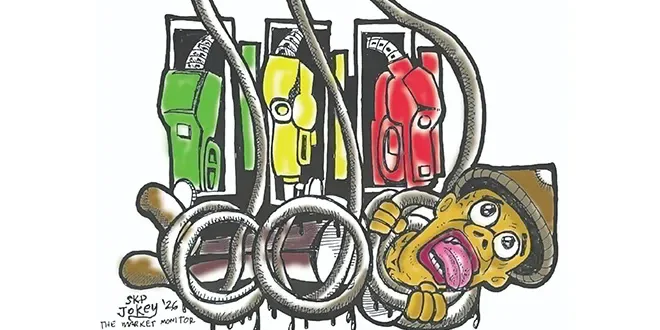
The spectacle at the House Justice Committee—fueled by the explosive testimony of alleged Duterte family bagman Ramil Madriaga—has once again diverted national attention to the political theater. While such revelations may carry weight in the impeachment complaint against Vice President Sara Duterte, they unfold at a time when ordinary Filipinos are grappling with a far more immediate and punishing crisis: the volatile cost of fuel and its ripple effects across the economy.
Government’s response to the global oil crisis has been, at best, belated and reactive. Measures such as service contracting for public utility buses, the suspension of excise taxes on LPG and kerosene, targeted cash assistance for motorcycle taxi drivers, and proposals for carpooling should have been deployed at the onset of price shocks—not when Brent crude prices have already begun to ease from their peak of over USD$100 per barrel. These actions, while welcome, now appear ill-timed, offering relief that arrives too late for those who have already absorbed weeks of economic strain.
This pattern reveals a troubling lack of foresight. Rather than anticipating the cascading effects of global supply disruptions, policymakers seem content to respond only when public pressure becomes unavoidable. Worse, these responses often fail to match the scale and urgency of the crisis, leaving vulnerable sectors to fend for themselves while political elites remain insulated from the consequences.
The Department of Energy’s premature announcement of Iran’s supposed assurance of safe passage for Philippine-bound oil tankers through the Strait of Hormuz further underscores this disconnect. With no actual shipments materializing, the claim now appears either overly optimistic or poorly verified. Meanwhile, the country continues scrambling for alternative sources, exposing the fragility of its energy security strategy.
What is most disheartening is the apparent absence of institutional learning. Each crisis is treated as an isolated case, rather than an opportunity to build resilient systems and proactive policies. As a result, the same cycle of delayed reaction and inadequate preparation is likely to repeat under future administrations.
In the end, the real cost of this myopia is borne not by politicians, but by millions of Filipinos whose daily lives are upended by rising prices and uncertain relief. Government must move beyond reactive governance and embrace a forward-looking approach—one that prioritizes preparedness over politics.