 The Market Monitor Minding the Nation's Business

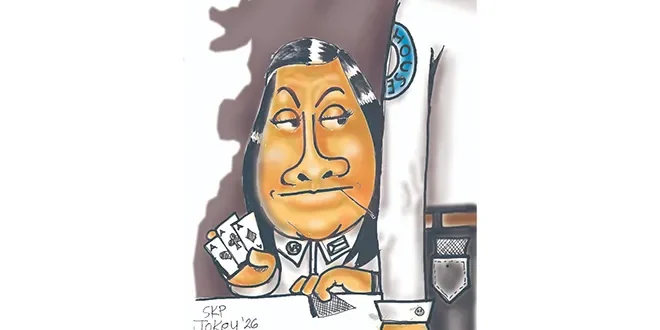
Vice President Sara Duterte emerged from the House Committee on Justice impeachment hearings politically battered, if not decisively weakened. The proceedings, marked by detailed testimonies and documentary evidence, have shifted the battleground to the Senate, where her camp now pins its hopes. Yet the strategy of withholding a full defense at the House level in favor of a Senate showdown is a gamble that may not pay off.
Impeachment trials are as much about public perception as they are about legal argument. By declining to squarely address the accusations early, Duterte’s camp allowed a narrative of evasion to take hold. That loss of public sympathy could prove fatal. Senators, mindful of both constitutional duty and political survival, are unlikely to simply “railroad” the process in her favor. While allies may attempt to stall proceedings through procedural maneuvers, such tactics risk reinforcing perceptions of guilt rather than dispelling them.
History offers a sobering precedent. The Senate’s handling of impeachment cases against Joseph Estrada, Renato Corona, and Maria Lourdes Sereno demonstrated that outcomes ultimately hinged on evidence and public accountability. To assume that today’s Senate will abandon that institutional memory is a miscalculation.
Meanwhile, the specter of a coordinated counter-offensive looms. Duterte loyalists, emboldened by a still-significant base, may take to the streets, amplifying claims of persecution. Online disinformation networks could further muddy the waters. Revelations from the Anti-Money Laundering Council about questionable financial flows only heighten concerns that such efforts may be well-funded and sustained.
Compounding these challenges is the broader Duterte political predicament. With former President Rodrigo Duterte facing legal troubles abroad and the Vice President confronting the possibility of disqualification, the dynasty’s once-formidable grip on national politics appears to be loosening.
The Senate trial will be decisive—not just for Sara Duterte, but for the resilience of democratic institutions. If the process holds firm, it may mark the closing chapter of a political era and the opening of another, where accountability, rather than legacy, determines leadership.