 The Market Monitor Minding the Nation's Business
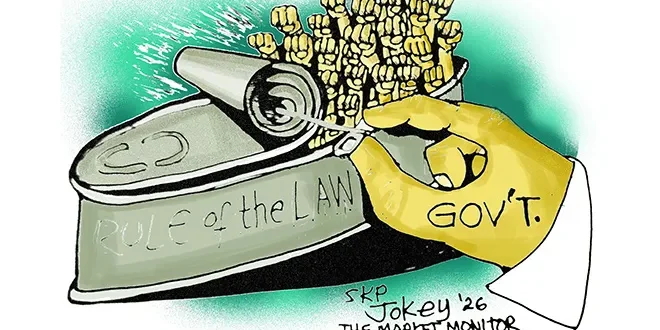
The massive rally that brought EDSA to a standstill demonstrated once again how easily Metro Manila can be thrown into paralysis when politics, religion and public protest converge. Regardless of the organizers’ intentions, the immediate victims were ordinary commuters, workers, businesses and emergency responders forced to endure hours of gridlock. Authorities must review whether contingency plans and traffic management were adequate, especially when public reports suggested that law enforcement resources were stretched thin.
The demonstration also underscored the risks when influential religious organizations become deeply involved in political controversies. Every religious group has the constitutional right to express its views and to assemble peacefully. But once a religious institution publicly rallies behind a political figure facing legal challenges, it inevitably opens itself to public scrutiny and criticism. Supporters may view such action as a defense of fairness and due process; critics may see it as an attempt to influence public opinion or shield political allies. Both perspectives deserve to be heard in a democratic society.
At the center of the controversy is a senator facing a plunder complaint before the Office of the Ombudsman. The complaint remains an allegation until resolved through the proper legal process, and the senator is entitled to the full presumption of innocence. Likewise, claims that the case was filed to weaken his participation in the forthcoming impeachment trial of Vice President Sara Duterte remain assertions that have yet to be substantiated. Such arguments should ultimately be tested by evidence, not by political rhetoric.
The impeachment trial itself will likely dominate the national agenda for months. Whether it ends in conviction or acquittal, the proceedings will measure not only the fate of one official but also the credibility of the Senate as an impeachment court. The public expects senators to weigh the evidence impartially rather than according to political alliances.
The larger issue is the health of Philippine democracy. Public demonstrations have their place, but they cannot substitute for independent investigations, impartial courts, and constitutional processes. If every legal controversy is transformed into a contest of political influence and street mobilization, public confidence in institutions will continue to erode.
As the country looks toward the 2028 elections, Filipinos should demand leaders who respect the rule of law even when it is politically inconvenient. Democracies endure not because powerful groups prevail, but because institutions remain stronger than personalities.