 The Market Monitor Minding the Nation's Business
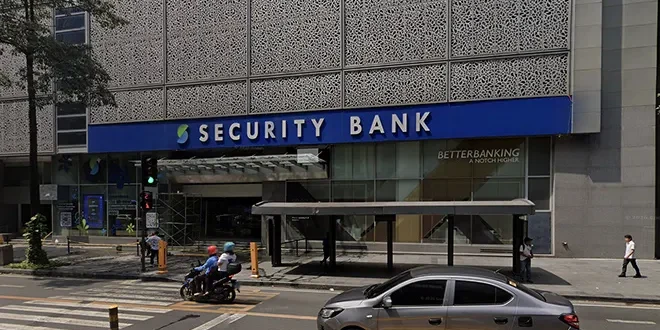
Security Bank Corp. is keeping an upbeat outlook for growth, with President and CEO Victor Lee pointing to stronger bank balance sheets and continued demand for financing despite global economic uncertainties.
“We are not pessimistic. I think banks continue to stay very positive and optimistic,” Lee said during a briefing in Makati City last week.
He said most banks remain profitable despite risks from the prolonged conflict in the Middle East, although lenders have become more cautious in extending new loans and taking on business.
“In fact, most banks are still projecting returns,” Lee said. “No banks generally get into a loss situation.”
For Security Bank, the next phase of expansion will center on wealth management, entrepreneur banking, and corporate and institutional banking under its three-year strategy.
The bank’s wealth assets under management surged to ₱560 billion in 2025 from ₱40 billion in 2017, while its micro, small and medium enterprise portfolio climbed to ₱32.5 billion from ₱13 billion in 2021.
Security Bank is also positioning itself to capture opportunities from the country’s infrastructure, renewable energy and production requirements, as well as financing for multinational companies and Philippine businesses expanding overseas.
Its project-finance gross loans rose to ₱76.2 billion in 2025 from ₱53 billion in 2024. Trade loans likewise more than doubled to ₱33.8 billion in 2025 from ₱16.1 billion in 2020.
“As we all know, living in the Philippines, the next phase of growth for the country will require substantial investment in infrastructure, energy, and production capacity. That’s really creating significant opportunities for banks like with the capital expertise and partnership to finance it,” Lee said.
Security Bank has arranged 10 financing deals from 2025 to this year involving more than ₱500 billion worth of projects, according to Lee.
“These figures demonstrate that Security Bank has established meaningful capability in this market,” he said.
The bank is also developing a centrally governed artificial intelligence strategy covering technology delivery, business support, financial analysis and operations.
Lee said technology can improve the speed and control of banking services, but customer confidence will continue to depend on human judgment and consistency.
“Technology gives clients speed and control, but trust is still built through judgment, consistency and understanding. The banks that matter most will be those that can deliver both,” he said.