 The Market Monitor Minding the Nation's Business

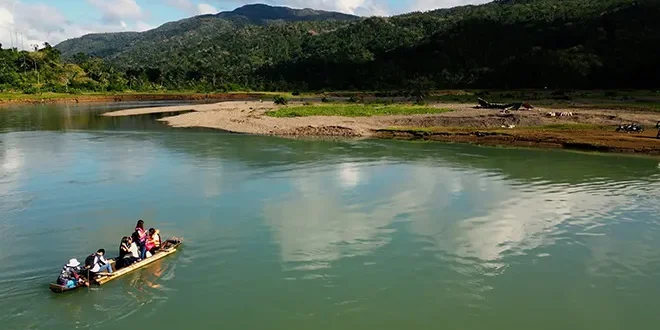
The Catholic Bishops Conference of the Philippines (CBCP) warned recently that extractive industries, large-scale infrastructure projects, fossil fuel expansion and climate change are threatening indigenous communities, which often suffer the effects of environmental destruction, flooding and drought.
Bishop Moises Cuevas of Calapan, chairperson of the Catholic Bishops’ Conference of the Philippines (CBCP) Episcopal Commission on Indigenous Peoples, and Bishop Prudencio Andaya Jr. of Cabanatuan urged government agencies to protect ancestral domains, enforce environmental safeguards and hold those responsible for environmental damage accountable.
In a joint statement for the national celebration of Indigenous Peoples issued Oct. 11, the bishops said growing demand for critical minerals must not come at the expense of indigenous peoples’ rights, livelihoods and environment. “A greener future cannot be built upon injustice,” they said.
They called for genuine free, prior and informed consent from indigenous communities, as well as their meaningful participation in decisions affecting their ancestral lands and livelihoods. The bishops also cited continuing concerns over discrimination, loss of income, threats to cultural identity and the inadequate implementation of existing safeguards.
The statement highlighted the Aeta community in Sitio Bacao, Palayan City, Nueva Ecija, whose members were displaced by the 1991 eruption of Mount Pinatubo.
“Indigenous peoples are not merely beneficiaries of assistance but partners, bearers of cultural wisdom, and active agents in shaping their future,” the bishops said, urging civil society and the public to support community-led initiatives and defend indigenous rights.
The bishops stressed that the Church’s commitment must go beyond the annual observance through sustained support and concrete action to protect indigenous communities and their ancestral lands. VITO BARCELO JR.