 The Market Monitor Minding the Nation's Business

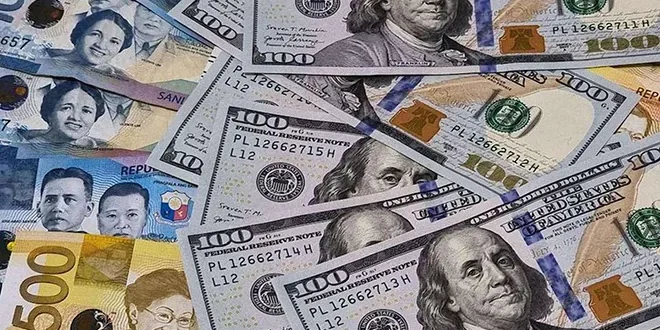
Malacañang is weighing additional measures to protect Filipino households from the economic fallout of the peso’s continued depreciation, as mounting external and domestic pressures pose challenges to the country’s economic outlook.
Presidential Communications Office Undersecretary and Palace Press Officer Claire Castro said the administration was assessing the currency’s impact on Filipinos and identifying possible interventions to ease their financial burden. The peso weakened to the ₱63-per-dollar level on October 15.
Castro cited the ongoing Middle East crisis and the effects of El Niño as among the factors affecting the economy. She noted that drought conditions had already begun affecting farmers and fisherfolk in some areas, adding to the difficulties facing vulnerable sectors.
She also expressed concern that political disputes and the spread of fake news could damage the country’s image and weaken investor confidence, potentially complicating efforts to attract investments.
Despite these challenges, Castro said President Ferdinand Marcos Jr. and his administration remained focused on evaluating the situation and determining how the government could reduce its impact on ordinary Filipinos.
She clarified that foreign exchange policy and matters concerning the peso’s performance fall under the mandate of the Bangko Sentral ng Pilipinas (BSP).
The peso’s depreciation raises concerns over the cost of imported goods, including fuel and raw materials, which could put additional pressure on businesses and consumers if higher import costs are passed on through price increases.
The administration’s challenge is to identify measures that can cushion households and businesses from these pressures while the BSP handles its responsibilities concerning monetary policy and foreign exchange stability.