 The Market Monitor Minding the Nation's Business
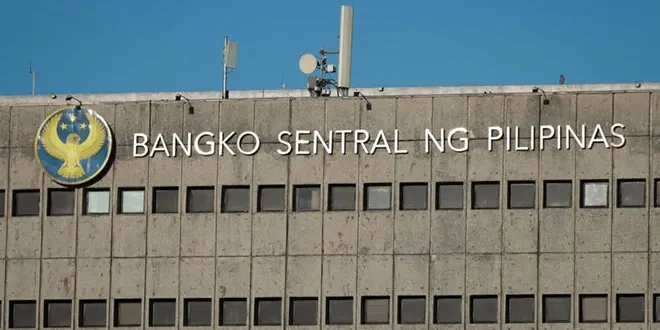
Growth in bank lending and domestic liquidity slowed in June as businesses and consumers turned more cautious in borrowing despite continued expansion in economic activity, according to the Bangko Sentral ng Pilipinas (BSP).
Data released by the BSP showed outstanding loans extended by universal and commercial banks reached ₱14.88 trillion in June, up 9.8% from a year earlier but slower than the 12.1% growth recorded in May.
Business lending expanded by 9.2%, driven by continued credit demand from the real estate, power, wholesale and retail trade, manufacturing, transportation, and agriculture sectors. However, the pace moderated from the previous month as loan growth weakened in construction, education, and other service industries.
Consumer lending also lost momentum, growing 17.8% from 19% in May due to slower expansion in credit card and motor vehicle loans, indicating more restrained household spending and borrowing.
Jonathan Ravelas, senior adviser at Reyes Tacandong & Co., said businesses appear to be delaying expansion plans while monitoring global economic uncertainties.
“Companies appear to be adopting a wait-and-see approach amid global uncertainties, focusing more on managing cash flow and improving operational efficiency rather than aggressively expanding,” he said.
He added that consumers are also becoming more prudent with their finances despite easing inflation.
“Lending growth remains healthy and positive, indicating that the economy is still expanding, albeit at a more measured and sustainable pace,” Ravelas said.
Meanwhile, domestic liquidity, or M3, rose 10.6% to ₱20.5 trillion in June, easing from the 12.8% growth recorded in May.
The BSP said money supply continued to be supported by lending to the private and public sectors, government borrowings, and higher net foreign assets, although slower credit expansion tempered overall liquidity growth.
The central bank said it will continue to manage domestic liquidity to ensure it remains consistent with its objectives of maintaining price stability and safeguarding the financial system.