 The Market Monitor Minding the Nation's Business
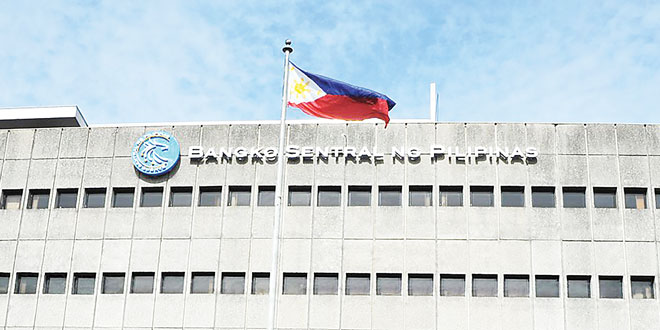
The Philippine government is doubling its efforts to improve anti-money laundering and terrorist financing regulations for the purpose of getting the country removed from the watchlist of Financial Action Task Force (FATF), a global dirty money watchdog.
The FATF blacklisted the Philippines in 2000 based on its assessment that the country lacked the power to thwart money laundering and to pin down individuals involved in terrorist financing. The country was subsequently removed from the list in February 2005 after the enactment of RA 9160 or the Anti-Money Laundering Act (AMLA).
The Philippines was included in a separate gray list in June 2012 as it failed to address AML/CFT deficiencies including criminalizing money laundering and extending coverage of reporting entities. The country was subsequently removed from the list in June 2013.
Bangko Sentral ng Pilipinas (BSP) Governor and Anti-Money Laundering Council chairman Benjamin Diokno said the Philippines had been submitting regular progress reports every year since it was included in the gray list of the FATF-International Cooperation Review Group (ICRG) on June 25.
Diokno said the Philippines will submit its first report in September. “The Philippines will be delisted from the gray list upon successful completion of all action plans – hopefully on or before January 2023,” Diokno said.
The Philippines was included in the list even with the passage of Republic Act 11479 or the Anti-Terrorism Act of 2020, while amendments to RA 9160 or the Anti-Money Laundering Act (AMLA) of 2001 and RA 1405 or the Secrecy of Bank Deposits Law are still pending.
According to Diokno, the Philippines has been working relentlessly to address the deficiencies even amid the COVID-19 pandemic.
Inclusion in the watchlist can possibly led to a two to four percent drop in remittances from overseas Filipino workers, an additional layer of scrutiny from regulators and financial institutions, higher cost of doing business and delayed processing of transactions. It would block the country’s road to an “A” credit rating.
Suzane Felix, executive director of the Chamber of Thrift Banks (CTB), said the government should make sure that the parameters set by the FATF are delivered on time.
“I am hopeful that all government agencies involved will deliver expected outputs on the action plans pertaining to them, so that countermeasures will not be imposed on the Philippines. The government should ensure that they meet the deadlines,” Felix said.