 The Market Monitor Minding the Nation's Business
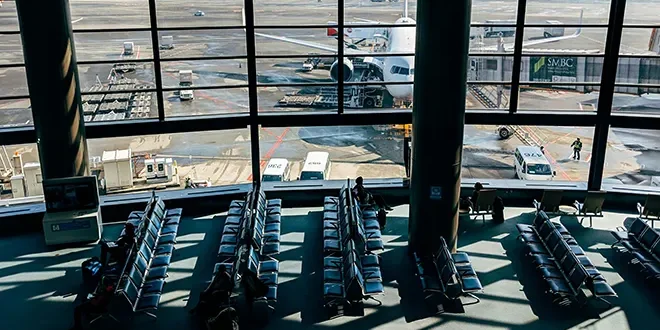
The Philippines and Thailand are highly vulnerable to an aviation downturn due to rising jet fuel costs, according to Oxford Economics, citing the two countries’ reliance on international arrivals that support their growth and employment.
According to Sheana Yue, senior economist at Oxford Economics, the nature of aviation risk varies across Asia. “Higher oil prices typically dampen travel demand through higher airfares, but refined aviation fuel shortages could limit capacity even where demand is still resilient.”
She added that “Flight capacity might be rationalized due to fuel constraints.”
Last March, President Ferdinand Marcos Jr. was quoted as saying that grounding planes is a “distinct possibility” due to a jet fuel shortage triggered by the war in the Middle East.
Marcos warned that long-haul flights could become “a much more serious problem” due to the restrictions.
Department of Energy Secretary Sharon Garin earlier said airlines assured her they have sufficient fuel orders.
Philippine Airlines said it has secured enough jet fuel “for the foreseeable future,” including the requirements for long-haul flights.
Also, Cebu Pacific secured fuel stocks sufficient to last until end-April and was working to build additional reserves for May and beyond.
Yue said that although long-haul routes are more fuel-intensive, carriers seem to prioritize these routes because of higher yields, network connectivity and maintaining market share.
So, short-haul and domestic routes were downscaled first because demand is more price- sensitive and substitution options are greater, she added.
“If fuel constraints persist, even long-haul capacity could come under pressure, particularly for leisure-heavy routes linking Southeast Asia to Europe and the US,” Yue said.
“Given the labor-intensive nature of tourism supply chains, these constraints could rapidly spill over into broader services activity, such as accommodation, retail, and domestic transport,” she added.