 The Market Monitor Minding the Nation's Business
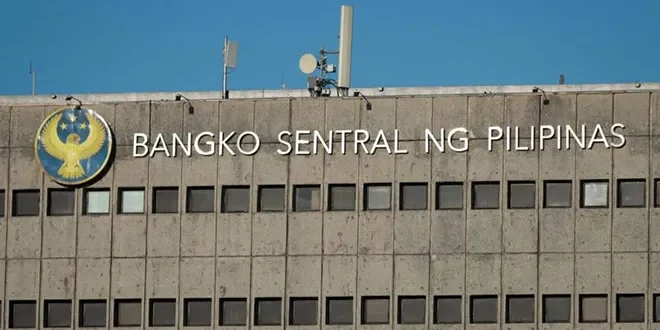
The Philippines’ foreign currency reserves remain adequate to cover import requirements and external debt payments despite declining to US$99.5 billion in September, the Bangko Sentral ng Pilipinas (BSP) said.
The latest gross international reserves (GIR) level was down from US$104.85 billion in August and US$109.1 billion in September last year, according to data released by the central bank.
The BSP attributed the decline partly to lower gold prices and changes in its foreign exchange operations and foreign currency-denominated reserve assets. The national government’s withdrawal of foreign currency deposits to pay external debt also contributed to the reduction.
Despite the decrease, the central bank said the country’s reserves remained sufficient to meet its external obligations and provide a buffer against economic shocks.
The September GIR level was equivalent to 6.2 months of imports of goods and payments for services and primary income. It could also cover about 3.1 times the country’s short-term external debt based on residual maturity.
International standards generally recommend reserves equivalent to three to four months of imports.
Meanwhile, the country’s balance of payments (BOP) recorded a US$3.1 billion deficit in September, bringing the year-to-date shortfall to US$9.1 billion as of end-September. This was higher than the US$5.3-billion deficit recorded during the same period last year.
The BSP attributed the year-to-date deficit to the continued trade-in-goods shortfall and net outflows from foreign portfolio investments. These were partly offset by remittances from overseas Filipinos, government foreign borrowings, trade in services, and foreign direct investments.
Dan Roces, group economist at SM Investments Corp., said the declining reserves did not yet indicate a problem with reserve adequacy, but highlighted the importance of monitoring how long external pressures would persist.
While describing the US$99.5-billion level as a comfortable buffer, Roces noted that the widening BOP deficit indicated that dollar outflows continued to exceed inflows.
He said the challenge was not only to preserve reserves but also to strengthen the sources of dollar inflows that replenish them.