 The Market Monitor Minding the Nation's Business
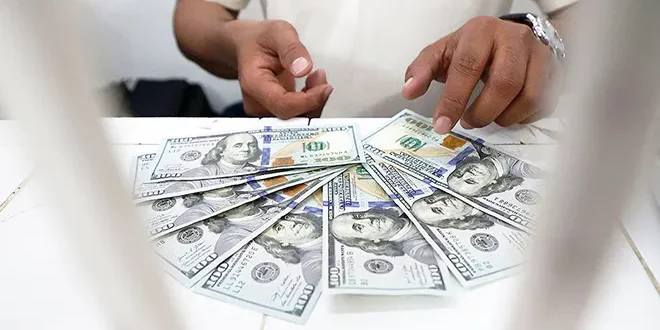
The Philippine peso could regain some ground against the US dollar before the end of 2026 as holiday spending fuels a seasonal increase in foreign currency inflows, particularly from overseas Filipino workers (OFWs), exporters and business process outsourcing (BPO) companies.
Rizal Commercial Banking Corp. (RCBC) chief economist Michael Ricafort said last week that stronger remittances and increased business activity during the final quarter could provide much-needed support to the local currency.
The expected surge in dollar inflows comes as Filipino families prepare for Christmas, traditionally one of the busiest spending periods of the year, prompting millions of overseas workers to send additional money to relatives back home.
Ricafort noted that December has historically recorded the highest monthly OFW remittances, citing Bangko Sentral ng Pilipinas data for 2023.
Beyond remittances, the conversion of dollar earnings by exporters and BPO companies into pesos to finance employee salaries, bonuses, and other yearend obligations could further strengthen demand for the local currency.
The economist also identified foreign investments in Philippine securities and bonds, along with the central bank’s efforts to manage excessive foreign exchange volatility, as factors that could help stabilize the peso.
The local currency previously breached the ₱64-per-dollar level on Oct. 27 for the first time, reflecting concerns over the domestic economic outlook, elevated inflation and uncertainty surrounding monetary policy decisions by major central banks.
Since then, the peso has recovered, moving back toward the ₱62 level before trading around ₱63 against the greenback.
On Thursday, the local currency opened at ₱63.25 against the US dollar, weaker than the previous session’s opening rate of ₱63.15.
While the anticipated yearend inflows offer a potential source of support, the peso’s performance will also depend on developments in global financial markets and the relative strength of the US dollar.
For households receiving money from abroad, a stronger peso could mean fewer pesos for every dollar remitted. However, it may also help ease the cost of imported goods, fuel and other dollar-denominated purchases.
The outlook highlights the significant role of overseas remittances and export earnings in supporting the Philippine economy, particularly during the holiday season when consumer spending and demand for foreign currency tend to increase.