 The Market Monitor Minding the Nation's Business
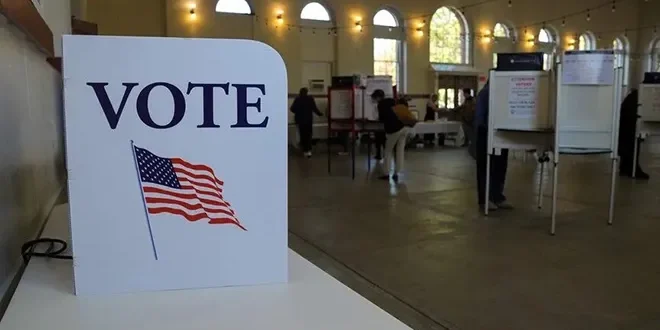
Democrats have seized control of both chambers of the United States Congress in the November 3 midterm elections, setting the stage for intensified scrutiny of President Donald Trump’s policies during the final two years of his term.
The party’s sweeping victories reflected voter dissatisfaction over rising living costs, inflation and the US war with Iran, which have become major concerns among American households.
Democrats secured at least 54 seats in the Senate against 44 for Republicans, while gaining at least 30 additional seats in the House of Representatives, giving them a majority in both chambers when the new Congress convenes in January.
The results included major victories in traditionally Republican strongholds such as Texas, Kansas, South Carolina and Iowa, signaling a significant shift in the political landscape.
In Texas, Democrat James Talarico won the Senate race, while Democrat Gina Hinojosa defeated incumbent Republican Governor Greg Abbott, ending his bid for another term.
Foreign policy expert Harley Lippman said the rising cost of living had become a central concern among voters, with higher prices for food, gasoline and healthcare adding to dissatisfaction over the administration’s policies.
Trump acknowledged that the Iran conflict and increasing gasoline prices contributed to the Republican setbacks, although he maintained that the outcome would have been different had he personally been on the ballot.
The Democratic majority is expected to place Trump’s legislative agenda under greater pressure, with affordability, healthcare protection and investigations into administration policies likely to figure prominently in its priorities.
With the new Congress set to take office in January, Trump will have to contend with Democratic majorities in both chambers when seeking legislative approval and government funding.
The change in congressional leadership is also expected to give Democrats greater influence over federal budget negotiations, including appropriations for military operations in Iran. They may also use their committee powers to investigate the administration’s immigration enforcement, foreign policy and other executive decisions.
Although Democrats will have greater legislative and oversight powers, Trump retains presidential veto authority. The House can initiate impeachment proceedings, but removing the president requires conviction by a two-thirds vote in the Senate.
Political analysts cautioned that the election results should not automatically be interpreted as an endorsement of the Democratic policy agenda, arguing that voter dissatisfaction with Trump played a significant role in the outcome.