 The Market Monitor Minding the Nation's Business
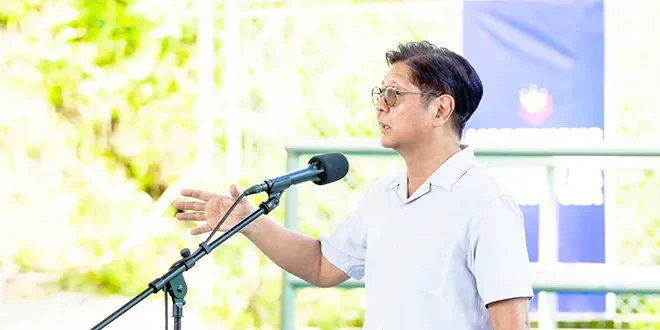
President Ferdinand Marcos Jr. has directed attention to major infrastructure and social development initiatives covering electricity generation, flood mitigation, transportation and affordable student housing as the government seeks to address critical gaps in public services.
The priority programs were taken up during the 12th meeting of the Economy and Development Council (EDC) at Malacañang Palace last week, where Marcos and key government officials reviewed proposed projects and policy measures intended to support economic growth and improve living conditions across the country.
A major item on the agenda was the rehabilitation of the Agus-Pulangi hydropower complex in Mindanao, which is expected to improve the reliability of electricity supply in the region while strengthening the country’s overall energy security.
The Council also tackled the completion of the remaining pumping stations under the Metro Manila Flood Management Project, a continuing government initiative designed to increase drainage capacity and reduce flooding in communities frequently affected by heavy rainfall.
In the transportation sector, officials discussed proposed adjustments to the Samal Island-Davao City Connector Project, which is intended to improve access between Samal Island and Davao City and facilitate the movement of passengers, goods, and services.
Beyond physical infrastructure, the meeting placed particular emphasis on expanding educational opportunities through Project BALAY, a pilot initiative that will provide safe and affordable dormitory accommodations for students enrolled in five state universities and colleges.
The program will give priority to students from households benefiting from the Pantawid Pamilyang Pilipino Program (4Ps), as well as other sectors requiring additional financial and social assistance.
The EDC likewise reviewed the proposed Social Protection Floor Prioritization Matrix, a framework designed to help government agencies identify the most deserving beneficiaries and direct limited public resources toward priority social welfare programs.
Another policy proposal involved an Executive Order establishing a unified framework for land-use planning among local government units. The measure seeks to improve coordination in determining land use while ensuring the protection and preservation of agricultural areas.
The discussions reflect the administration’s broader development agenda, which combines investments in energy, flood control and transport infrastructure with interventions in education, social welfare and sustainable land management.
By advancing these initiatives, the government aims to address longstanding infrastructure deficiencies while improving access to essential services and strengthening support for vulnerable communities.