 The Market Monitor Minding the Nation's Business
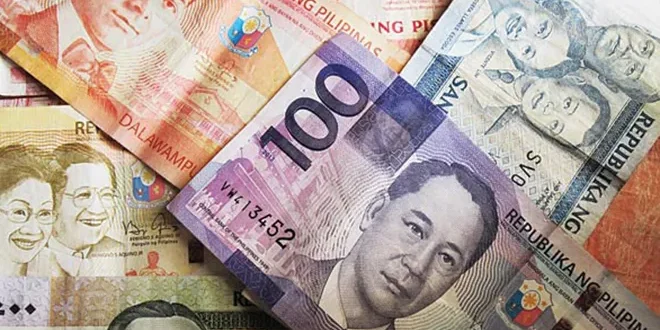
Financial watchers noted that PHP 63.52 to the US dollar is the weakest peso value in Philippine history. The BBM Administration has indeed been making historic records.
It happened last Thursday, even as the Bangko Sentral ng Pilipinas (BSP) revealed its most hawkish fang, increasing rates by 50 basis points.
A weak peso will further speed up inflation. This is because the Philippines (the government and the private sector) needs dollars to pay for interest on foreign loans, to pay for its crude oil and diesel imports, etc.
The currency fell by 15.9 centavos to end at P63.52 versus the greenback from its previous record low of P63.361 on Wednesday, Bankers Association of the Philippines data showed.
This marked the peso’s 35th record low this year and its sixth so far in October. It was also the fourth straight trading day that the peso ended at a historic low.
Year to date, the peso has weakened by P4.73 or 7.45% from its P58.79 finish on Dec. 29, 2025.
The local unit opened Thursday’s session slightly stronger at P63.31 per dollar and hit an intraday best at P63.30.
Its worst showing for the day was at P63.545, which also marked the peso’s weakest level on record, beating its previous P63.373 trough also logged in the previous day.
Dollars traded rose to $1.716 billion from $1.34 billion in the previous day.
Analysts said persistent dollar demand and external pressures arising from escalating tensions in the Middle East weighed on the peso despite the BSP’s surprise 50-basis-point (bp) rate hike on Thursday.
There are several reasons for the peso’s tanking, among them a strong US dollar and high oil prices in the world market.
Observers said growing domestic inflationary concerns could intensify the local currency’s weakness.
BSP Governor Eli Remolona, Jr. on Thursday noted that the peso’s current weakness could be inflationary. He stressed that high prices may be expected for the rest of the year and also in 2027.