 The Market Monitor Minding the Nation's Business
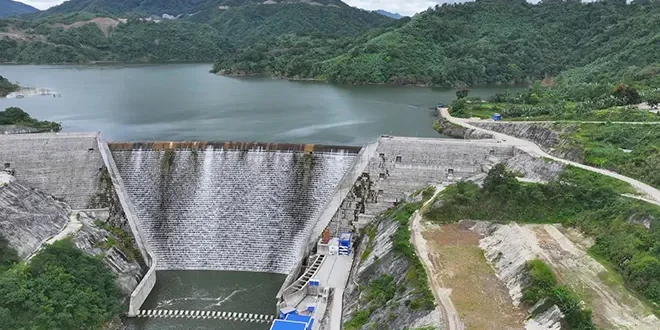
Authorities are stepping up preparations for prolonged dry conditions as below-normal rainfall is expected across much of Luzon and other parts of the Philippines through the first four months of 2027, raising concerns over water supplies.
The Philippine Atmospheric, Geophysical and Astronomical Services Administration (PAGASA) said during its monthly Climate Forum that rainfall in large portions of Luzon could decline significantly starting next month, with drier conditions expected to persist through December and into early 2027.
PAGASA Climate Monitoring and Prediction Section chief Ana Liza Solis urged households to collect rainwater while rainfall remains available, saying stored water could help supplement household needs during the anticipated dry spell.
The forecast has revived concerns over a possible repeat of Metro Manila’s 2019 water crisis. However, Mahar Lagmay of the University of the Philippines Resilience Institute said the previous crisis was not caused by El Niño alone, as the simultaneous implementation of infrastructure projects also affected water distribution.
Lagmay said water levels at Angat and La Mesa dams remain relatively high, providing some reason for optimism, although he cautioned the public against wasting water.
He emphasized that conserving supplies while they remain adequate would help communities cope with reduced rainfall until the next rainy season.
Environment Secretary Juan Miguel Cuna likewise urged the public to report leaking pipes so authorities and water providers can address water losses promptly.
Water concessionaires and the Local Water Utilities Administration are also intensifying efforts to identify leaks and improve water conservation, Cuna said.
Meanwhile, the Department of Environment and Natural Resources (DENR) has identified around 14,000 barangays nationwide as priority areas for preparedness measures based on geographic information system data.
DENR officials identified parts of Mindoro, Isabela and Masbate as among the areas requiring particular attention.
To augment existing supplies, the agency is studying the possible reactivation of previously decommissioned deep wells and the development or use of small water impounding systems to capture and store water.
In Metro Manila, the Metropolitan Manila Development Authority is pursuing projects that combine flood control with water conservation, including retention ponds in parks and storage basins beneath basketball courts that could collect rainwater for potential reuse.
The measures form part of broader efforts to conserve available water, reduce losses, and strengthen community preparedness as the country faces the prospect of an extended dry period.