 The Market Monitor Minding the Nation's Business

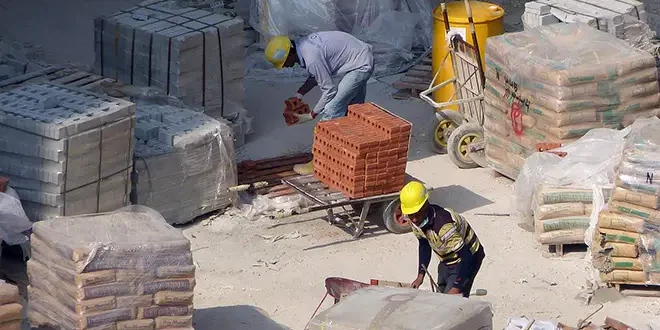
The construction industry and its sibling businesses such as suppliers of construction materials were unfortunately hit by the flood of corruption which their leaders and corrupt government officials brought on the nation.
This was during the last two quarters of 2025, during the height of the multi-billion peso flood control scandal in the Department of Public Works and Highways (DPWH) and other government agencies.
With the resulting tightening of fiscal discipline in the DPWH, ongoing and new construction works were frozen, as new DPWH Secretary Vince Dizon had to devote much of his time to inspecting troublesome projects even as he ordered that no new procurements shall be made.
This sent shivers to the stakeholders in the industry—fear and concerns that are being diffused only now that President Marcos Jr. has signed the 2026 national budget, all of P6.793 trillion.
This means new projects may now be undertaken, and those which suffered delays will have the chance to be continued.
There is some sort of optimism palpable among leaders of the cement industry.
“We are cautiously optimistic,” said John Reinier H. Dizon, president of the Cement Manufacturers Association of the Philippines, Inc. (CEMAP).
“It is a good sign that the national budget was approved, I think that is important. And I understand that the Philippine Contractors Accreditation Board (PCAB) is in place; that is crucial for public infrastructure,” he added.
Last year, the PCAB temporarily stopped issuing licenses after its board resigned in the wake of the government’s investigation into corruption in public infrastructure projects.
“There was a little bit of a lull in the last quarter; now that (the budget) is in place, fingers crossed, we just need to build confidence,” he said.
“Once the government projects kick in, I think that will also (revive private construction),” he added.
Like many businessmen and economists, Dizon believes that government projects have a multiplier effect on the housing and commercial segments.
Housing and commercial will be stimulated “once they build the roads and all the necessary infrastructure,” he added.
He said the industry’s fundamentals remain promising due to strong demand for infrastructure and housing.
Dizon had to concede, however, that demand for cement was estimated to have declined by two to three percent.