 The Market Monitor Minding the Nation's Business
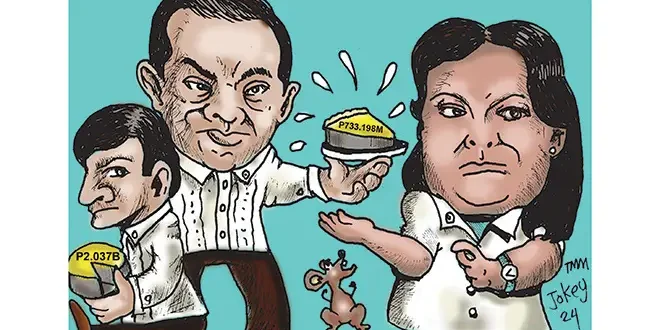
The House appropriations committee’s decision to slash the Office of the Vice President’s (OVP) proposed 2025 budget by nearly P1.3 billion—down to P733.198 million from the requested P2.037 billion—comes as a direct response to Vice President Sara Duterte’s repeated refusal to address critical questions about her office’s budget utilization.
This significant budget cut signals more than a mere funding issue; it underscores a growing demand for transparency and accountability.
VP Duterte’s failure to attend the second round of House budget hearings on September 10, following a similarly evasive appearance on August 27, frustrated lawmakers and stoked public concern.
Her refusal to provide clear answers about her office’s confidential expenses and current budget utilization raised red flags, leaving the impression that the OVP believes it operates above scrutiny. This was met with strong criticism from members of Congress, some of whom called Duterte’s actions “entitled,” suggesting a troubling sense of impunity.
Duterte’s claim of political harassment only deepens the divide. With Speaker Martin Romualdez, President Marcos Jr.’s cousin, leading the House, Duterte’s allegations may seem politically charged.
However, such a claim cannot excuse her evasion of accountability, especially in the face of legitimate questions about taxpayer money. Transparency in public office is not a partisan issue—it is a fundamental duty.
The OVP, as a publicly funded institution, owes the people clear explanations about how it manages its resources. The budget deliberations provide a necessary platform for this accountability. Instead of framing the House’s actions as harassment, Duterte should face the tough questions with transparency and cooperation. The Filipino people deserve nothing less.
This budget cut, while significant, should serve as a reminder to all public officials: accountability is not optional. If our leaders want to maintain the public’s trust, they must be willing to answer difficult questions—especially about the public purse. In a democracy, no office is too high for scrutiny.