 The Market Monitor Minding the Nation's Business
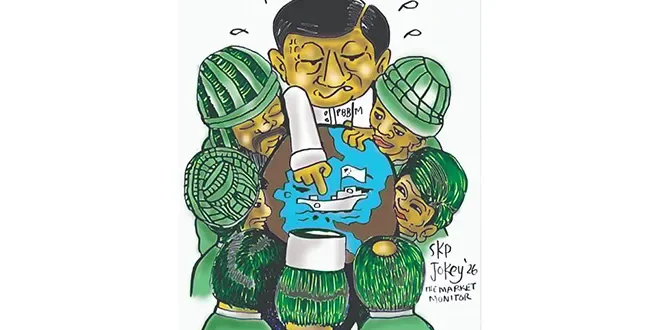
The Department of Foreign Affairs’ optimistic tone on the progress of negotiations for a mutually acceptable Code of Conduct (COC) in the West Philippine Sea is, at best, cautiously welcome—and at worst, prematurely celebratory. Timing, after all, matters.
The announcement comes just before the ASEAN Summit in Cebu, where China is expected to engage regional leaders while simultaneously projecting itself as a responsible global power, even offering to help resolve the Middle East conflict.
But for the Philippines, optimism must be tempered by experience. The Philippine Coast Guard and other maritime agencies have repeatedly encountered a troubling pattern: China’s diplomatic assurances often diverge sharply from its actions at sea. Harassment of Filipino vessels, aggressive maneuvers, and the continued militarization of contested features remain persistent realities. Words, in this context, are cheap; behavior is the true measure of intent.
ASEAN leaders are right to view the summit as an opportunity to push for a long-delayed, binding COC. Yet China’s preference for bilateral engagements over multilateral consensus reveals a familiar “divide and conquer” strategy.
Fragmented negotiations weaken ASEAN’s collective bargaining power, allowing China to extract concessions from individual states while avoiding accountability to the region as a whole.
The deeper issue, however, lies within ASEAN itself. Years of inaction on China’s reclamation activities and military buildup in the West Philippine Sea underscore a troubling lack of unity. Without a cohesive stance, ASEAN risks becoming irrelevant in shaping the very security architecture of its own backyard.
Ironically, the ongoing global fuel crisis may provide the catalyst for renewed regional solidarity. As tensions in the Strait of Hormuz continue to constrict energy supplies, ASEAN’s fuel-producing members face a rare and strategic opportunity to support their neighbors. Energy cooperation could serve as both an economic buffer and a political signal—that regional resilience depends on collective action, not external powers.
As summit host, the Philippines must rise to the occasion. Beyond diplomatic pleasantries, it should steer discussions toward concrete, enforceable commitments: a binding COC with clear accountability mechanisms, and a coordinated regional response to the energy crisis.
ASEAN cannot afford another summit of fine words and little action. The stakes—sovereignty, security, and survival—are simply too high.