 The Market Monitor Minding the Nation's Business
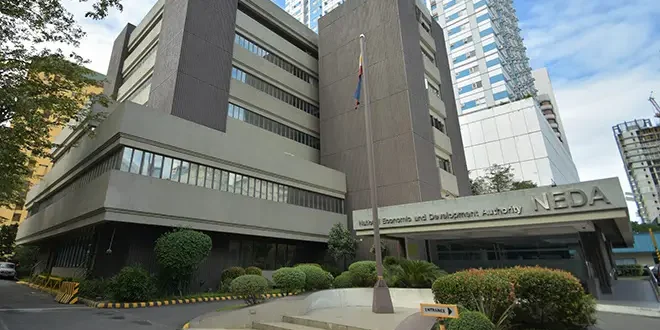
The National Economic and Development Authority (NEDA) announced that government measures to address inflationary pressures have kept inflation within the target range in November, despite challenges posed by recent typhoons.
Data from the Philippine Statistics Authority (PSA) showed that headline inflation in November settled at 2.5 percent, slightly up from October’s 2.3 percent but markedly lower than the 4.1 percent recorded in November 2023.
This brought the year-to-date average inflation to 3.2 percent, well within the government’s target of 2 to 4 percent.
“Despite the strong typhoons our country faced in recent months, consumer prices have remained relatively stable. This demonstrates the resilience of our economy and the effectiveness of our policies,” NEDA Secretary Arsenio Balisacan said.
However, Balisacan noted that food prices are being closely monitored due to supply chain disruptions caused by typhoons in October and November.
Food inflation rose to 3.5 percent in November from 3.0 percent in October, driven by higher vegetable prices, which surged to 5.9 percent after recording a deflation of -9.2 percent in October.
On the other hand, rice inflation eased significantly to 5.1 percent from 9.6 percent the previous month, with prices of regular milled, well-milled, and special rice all declining. The PSA expects rice inflation to continue its downward trend in the coming months.
To mitigate rising food prices, the Department of Agriculture (DA) plans to roll out the Kadiwa Rice-for-All program in major public markets to provide more affordable rice options.
Additionally, the DA is reviewing livestock transport regulations to streamline the movement of chicken and hogs while ensuring food safety.
Measures to combat African swine fever (ASF) and Avian Influenza (AI) include the establishment of inspection sites in Metro Manila and nearby regions and the easing of ASF vaccine participation requirements to accelerate vaccination efforts.
Balisacan expressed optimism that inflation in December will maintain its stable trajectory, with full-year inflation projected to average between 3.1 and 3.3 percent, significantly lower than the 6.0 percent recorded in 2023. He emphasized that a coordinated government approach is critical to sustaining price stability and achieving inclusive economic growth.
In a separate statement, the Bangko Sentral ng Pilipinas (BSP) affirmed that the November inflation results align with its forecast of easing supply pressures, particularly on rice.
However, the BSP highlighted potential risks to inflation for 2025 and 2026, including electricity rate adjustments and higher minimum wages in areas outside Metro Manila. The Monetary Board will consider these factors during its December 19 policy meeting to ensure that monetary policies remain conducive to sustainable growth and employment.