 The Market Monitor Minding the Nation's Business
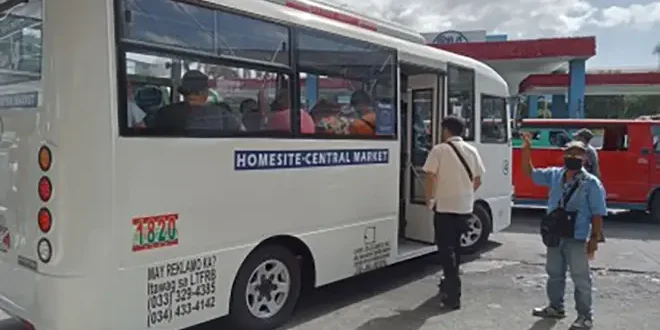
The Land Transportation Franchising and Regulatory Board (LTFRB) wants to talk with state-run banks to explore possible financial relief for jeepney operators struggling to repay loans tied to the Public Transport Modernization Program (PTMP).
LTFRB Chairperson Teofilo E. Guadiz III said the agency will initiate discussions with the Development Bank of the Philippines (DBP), Land Bank of the Philippines and other government financial institutions (GFIs) to push for more flexible lending terms for cooperatives and individual operators who acquired modern jeepneys.
“We acknowledge the financial challenges faced by many of our modernized PUV operators. We are seeking a dialogue with our partner GFIs to explore more flexible loan terms, grace periods, or possible restructuring packages,” Guadiz said.
According to Guadiz, many operators have complained of shrinking ridership in certain routes, mounting maintenance costs and fixed amortization schedules that do not reflect the daily volatility in income.
Modern jeepney units cost between P1.6 million and P2.4 million, typically financed through loans backed by the government.
Guadiz warned that without intervention, many cooperatives could default on their loans—risking not only their livelihood but also the continuity of the modernization program.
“We cannot afford to let our operators default. If that happens, public transport service will be disrupted, and the entire modernization initiative will be undermined,” Guadiz said. The LTFRB will coordinate with the Department of Transportation (DOTr) and relevant GFIs to discuss potential solutions such as moratoriums, recalibrated payment schemes, or even government-backed subsidies to ensure that transport cooperatives remain afloat.
Launched in 2017, the PTMP (formerly Public Utility Modernization Program) aims to replace aging and unsafe jeepneys with newer, safer, and more environment-friendly vehicles. While the program has gained support from many operators, its high capital costs and rigid financing terms remain key barriers to full implementation, issues often cited by the transport groups.
Lawmakers have also raised concerns about the burdens that the program has placed on operators, citing a flawed financing scheme and delays in supporting local manufacturers in comparison to foreign suppliers.