 The Market Monitor Minding the Nation's Business

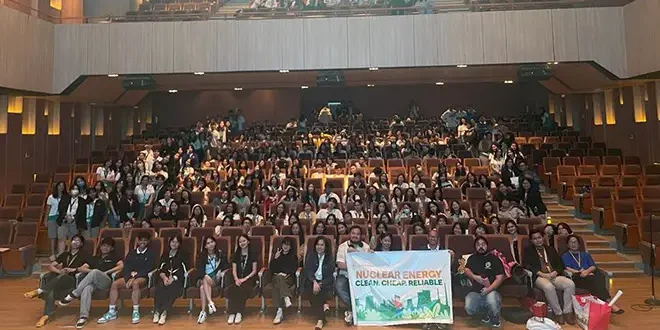
ALPAS Pinas, a non-stock, non-profit organization advocating for clean, cheap, and reliable energy, led an insightful discussion on the role of nuclear energy in the Philippines’ future at an event hosted by the University of Santo Tomas Senior High School (UST-SHS) Humanities and Social Sciences (HUMSS) Faculty.
Addressing the students, Alpas Pinas emphasized how nuclear energy can provide a reliable power source while promoting inclusive and sustainable development.
The event aimed to cultivate socially engaged, transformative, and globally aware Filipino citizens committed to social transformation and sustainable development while also opening a conversation on how the youth can become leaders in nuclear advocacy in the Philippines.
Spearheaded by Alpas Pinas Lead Convenor Gayle Certeza along with members of organization Gabrielle Andrea Tresvalles and Augustine Narcida, they addressed the common misconceptions about nuclear energy while also understanding the current energy landscape in the Philippines and the energy crisis the country is currently facing.
Certeza opened the discussion by educating students on the country’s reliance on fossil fuels, highlighting that 78 percent of the Philippines’39; energy comes from these sources. She explained that coal-fired power plants burn vast amounts of coal to generate electricity. This process, while sustaining modern conveniences, releases harmful pollutants into the air, water, and land, contributing to environmental degradation.
“So, what does that mean? Nuclear energy not only eliminates greenhouse gas emissions but also provides a denser energy source capable of meeting our electricity needs for future generations,” said Certeza.
Tresvalles highlighted how the youth will be the number one beneficiary once nuclear energy becomes part the energy mix, as it will create jobs for people and how it will provide energy security in the future.
“As young as we are now, we have the opportunity to engage. I strongly believe that our students here can contribute to research and policymaking that will shape how energy is produced, consumed, and distributed. This conversation goes beyond nuclear energy—it intersects with health sciences, ethics, governance, economics, and social justice,” Tresvalles reiterated.
Narcida, on the other hand, highlighted the crucial role of Artificial Intelligence (AI) and the significant amount of electricity required to sustain the technology that students enjoy today.