 The Market Monitor Minding the Nation's Business
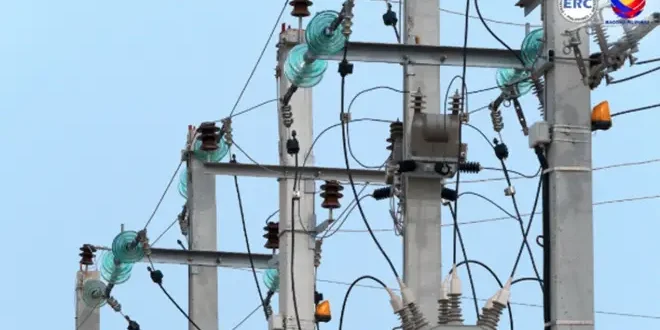
The Energy Regulatory Commission (ERC) has approved the amended rules on the implementation of advanced metering infrastructure (AMI) by distribution utilities (DUs), in a move seen to accelerate the digital transformation of the country’s power distribution sector.
AMI integrates smart meters, communication platforms, and data management systems that allow both consumers and DUs to access real-time data on power consumption, automated billing, outage detection, and remote service management.
In a press release, the ERC said the amended rules establish a “stronger regulatory framework for the country’s transition toward a smart, secure, and consumer-empowered electricity distribution network.”
ERC Chairperson and Chief Executive Officer Francis Saturnino Juan said the new rules, which update the 2016 guidelines, mark a milestone in the digital shift of the Philippine energy sector.
“By enabling real-time data exchange and empowering both utilities and consumers, we are laying the foundation for a smarter, more secure, and inclusive energy future,” Juan said.
The amended rules take into account technological advancements, global best practices, and evolving consumer and market demands, while ensuring adequate safeguards on data privacy and cybersecurity.
They also streamline the approval process for capital expenditure projects needed to implement AMI systems, which may be integrated into the DUs’ reset process.
According to the ERC, the new rules complement the Department of Energy’s (DOE) Smart Grid Roadmap and support various retail market reforms, including the Retail Competition and Open Access (RCOA), Green Energy Option Program (GEOP), and Net-Metering for renewable energy.
“By mandating interoperability and standardization, the ERC aims to foster the integration of renewable energy sources, energy storage systems, and distributed energy resources into the grid, paving the way for a more resilient and efficient power system,” the agency said.