 The Market Monitor Minding the Nation's Business

By Rose Marie de la Cruz
Farmgate prices for palay– which is now beginning harvest– have been dropping to as low as P14 per kilogram (even lower than the historical average of P16 per kg).
Industry sources blamed the declining farmgate prices to low price of imports and low productivity of our farmers (amid high cost of production inputs and low yield per hectare), which the shelved Masagana Rice Industry Development Program (MIRDP) sought to correct through subsidized seeds and a cocktail of subsidized fertilizer (organic, biofertilizer, soil ameliorants and inorganic fertilizer), farm mechanization, use of modern farm technologies (like drones and other farm machineries more suited to the needs of the tillers), extension service and more.
“As imported rice prices continue to go down, the low productivity of our local farmers is now being exposed. At current palay buying prices (average P16 per kg, lowest P14 per kg fresh), farmers with yields of about 4,500 kg per hectare (average during the dry season) will only earn about P5500 per month for four months of work.
Those yielding about 6,000 kg per hectare will earn P11,500 per month for four months.
How I wish our farmers could at least earn P20,000 monthly during the rice cropping season.
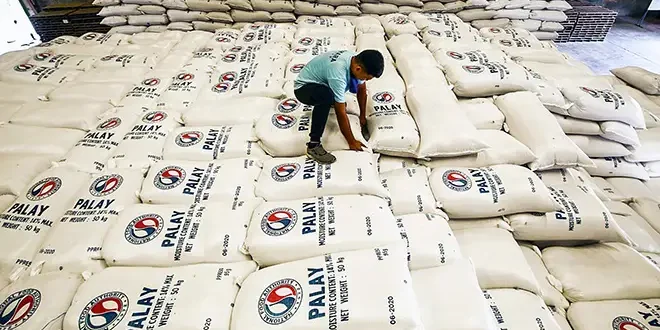
The National Food Authority, which used to be the dominant player in the grains market, had lost its exclusivity to import rice and be an active supplier of rice in the retail market by virtue of the Rice Tariffication Law, which also created the Rice Competitiveness Enhancement Fund.
The NFA increased its palay buying price in April 2024 to increase the country’s rice buffer stocks and in June 2024, the NFA Council approved the new price range of P17 to 23 per kg for fresh or wet palay and P23 ro P30 per kg for clean and dry palay. The adjustment would help NFA compete with private traders and bolster its buffer stock.
The NFA adjusts the buying price of palay on a weekly basis based on the prevailing ex-farm palay prices and other considerations.
Under RTL, the NFA is mandated to maintain a national rice buffer stock equivalent to at least nine days of consumption.
The NFA buys palay from farmers to build a buffer stock for emergencies and disaster relief. The price range is adjusted to compete with private traders and to help farmers earn a profit.
Its price range is also adjusted based on the quality of palay and the prevailing market conditions. The NFA buys from legitimate farmers, farm organizations, cooperatives and associations.
The required moisture content for clean and dry is 13 to 14 percent and purity of 90 to 100 percent while for fresh/wet palay the MC is 22 to 29.9 percent and purity of 90 to 100 percent.
Based on the Bantay Palay monitoring of the Philippine Rice Research Institute the national average for fresh (wet) palay is P16.61 for rumble (assorted) and for long grain P17.55/kg; for dry P18.94/kg for long grain and P18.73/kg for rumble and for milled palay P47.46/kg for long grain and P45.50/kg for rumble.