 The Market Monitor Minding the Nation's Business


By Rose Marie de la Cruz
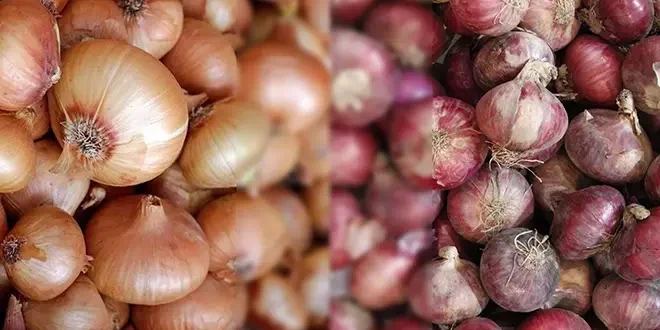
The first step is to project an expected shortfall in onions, then the following day an announcement of the onions (red and yellow) to be imported come November.
This has been the pattern each year of the Department of Agriculture, which raises the question– why can’t we even produce enough so we don’t have to import bigger volumes the next time?
On August 25, the Bureau of Plant Industry said that the country’s red onion stock was only 49,750 metric tons as of August 15. Without any more local production or importation, such stocks would last only 84 days or until November 8.
So, Agriculture Secretary Francisco Tiu Laurel Jr. confirmed to Business Mirror that he would allow importation of red onions in October to plug the shortfall to arrive in time or before the holiday season. Red onions are used mostly by households and small canteens or carinderias.
As for yellow onions, the BPI said stocks were only at 1,142 MT. Just months before Laurel allowed the importation of 25,000 MT of yellow onions to shore up inventories of this vital ingredient (most wanted by big restaurants, hotels, resorts and other industrial users) to arrive by August 16 at 6,140 MT. Stocks of yellow onion would last until October 4, the BPI said.
Just last February, the DA allowed the importation of 4,000 MT of red and yellow onions in February as stocks thinned out, with a caveat that these would only plug the projected shortfall in domestic supply that month. Government price monitors said the price of local red onions ranged from P135 to P175 per kg while yellow ranged from P100 to P180/kg.
Come August 26, the BPI said importation of 50,000 MT of red onions ad 35,000 MT of yellow onions would plug the shortfall of this vital ingredient to Filipino meals. It would release final import volumes in October.
“For red [onions], we have a three-month deficit, so the estimate is around [50,000] MT for this year,” confided BPI Director Gerald Glenn Panganiban to Business Mirror.
“We have a five-month deficit from August to December, then we maintain a buffer stock of around two months, which is why the total reached 35,000 MT,” he said.
Laurel Jr. earlier allowed the importation of 25,000 MT of yellow onions this August, which Panganiban explained is part of the 35,000 MT volume needed to plug the deficit along with some buffer stock. But Panganiban stressed that Laurel wants imports of only the volume needed, not more.
BPI data showed that the country’s red onion inventory as of August 15 stood at 49,750 MT and a daily consumption of around 585 MT, which BPI said would last only 85 days or until November 8.
Yellow onion stocks were estimated at 1,142 MT in the reference period, based on BPI data. Following the authorized shipments of the onion variety, BPI said the Philippines is expected to receive 6,140 MT as of August 16.