 The Market Monitor Minding the Nation's Business

By Rose de la Cruz
Amid objections raised by some netizens to reports about government’s plan to regulate electronic vehicles (e-trikes, e-bikes and others), I don’t see a reason why such should be regulated except for a lack of charging stations for their batteries, in which case they could break down and become obstacles along the main roads.
Regulating e-vehicles might be misconstrued as the government’s half-heartedness in complying with its commitment to veer away from fossil fuels and adopt cleaner fuels like electric vehicles to reduce carbon emissions and abate climate change. Regulating the growth of e-vehicles would be seen as government’s insincerity on its climate change vows and its continued coddling of polluting motorcycles and tricycles, which of course are still not covered by the oft-postponed planned Public Utility Vehicles Modernization Program.
The papers have reported that complaints from motorists have prompted it to toy with the idea of regulating e-bikes and e-trikes along the main roads of Metro Manila.
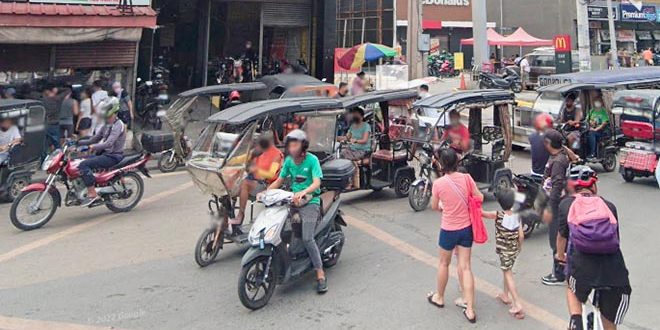
The idea was broached to the media by Chairman Romando Artes of the Metro Manila Development Authority as he showed photos of e-bikes and e-trike drivers traversing the South Luzon Expressway and stopping in the middle of yellow intersection box and another photo of an e-trike driver with his students-;passengers.
Artes said traffic enforcers can’t just apprehend e-bikes and e-trike drivers because they are not required to register their vehicles and secure a license to drive. But such units have grown exponentially with the Caloocan City government reporting at least 18,000. (So what? With Caloocan, like Pasay, having the narrowest roads and the most populous at that, these units would not add to the pollution of these cities and neither could they pose accidents because they run very slowly, unlike diesel or gasoline-fed vehicles).
Vigor Mendoza of the Land Transportation Office said these units ought to be regulated, to which the LTFRB– Land Transportation Franchising and Regulatory Board– an agency so remiss in issuing franchises, plates and IDs– concurred to raising concerns of the alarming growth of e-vehicles.
Reinstated LTFRB chair Teofilo Guadiz III said e-vehicles obstruct the government’s goal of modernizing public transit by competing with PUVs that have been given franchises to operate. (How so?)
The Department of Transportation will now study such proposals along with traffic department heads of the 17 LGUs in MM on how to regulate e-trikes and e-bikes.
Artes said many LGUs in MM have voiced concerns over the proliferation of e-trikes, e-bikes, e-scooters, pushcarts and kuliglig and shared their ordinances, regulations and programs about e-vehicles for reconciliation with the national government’s policies.