 The Market Monitor Minding the Nation's Business
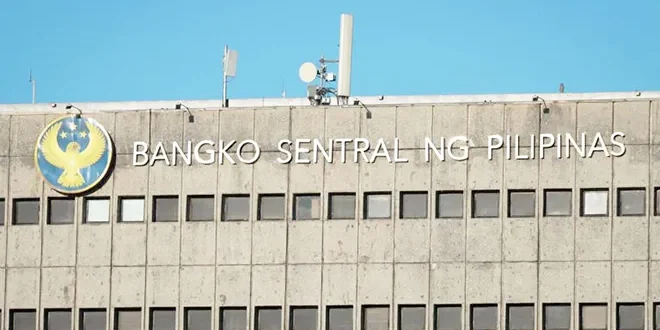
The Bangko Sentral ng Pilipinas (BSP) has directed banks to adopt stricter risk management measures when dealing with customers involved in casino junket operations as part of efforts to prevent the country’s financial system from being used for money laundering and other illicit financial activities.
In a guidance paper released this week, the BSP outlined best practices for banks handling accounts linked to casino junket operators—companies and individuals that provide gaming-related services for high-value patrons, including travel arrangements, credit facilities, and private gaming room bookings.
The central bank urged banks to closely monitor accounts for warning signs such as unusual cash movements, complex ownership structures, and layered transactions designed to conceal the origin or movement of funds.
BSP Deputy Governor Lyn Javier said financial transactions involving casino junkets pose heightened money laundering risks, noting that the guidance was developed using analyses by the Anti-Money Laundering Council (AMLC).
Data from the AMLC showed that universal and commercial banks accounted for 71.6 percent of suspicious transaction reports involving casino junkets reviewed in 2023. However, by transaction value, land-based casinos represented 60.6 percent of the suspicious transactions reported.
The AMLC identified several common money laundering schemes, including failure to report transactions that violated junket agreements, the involvement of junket operators in criminal activities, transactions inconsistent with a customer’s declared source of funds, and the purchase of casino chips using small-denomination bills followed by little or no gambling activity.
Javier said the BSP’s tighter guidance comes amid past incidents that exposed the vulnerability of the country’s casino sector to financial crimes.
She cited the 2016 Bangladesh Bank cyber heist, in which more than US$100 million stolen from the central bank’s account at the Federal Reserve Bank of New York passed through the Philippine financial system before much of the money was converted into pesos and laundered through local casinos.
She also pointed to recent congressional investigations into alleged irregularities in flood control projects, where several former public works officials were reported to have incurred casino losses exceeding ₱950 million from transactions worth more than ₱1 billion.
Under the BSP guidance, banks are encouraged to strengthen governance and anti-money laundering controls in five key areas: board and senior management oversight, anti-money laundering and counter-terrorism financing programs, customer acceptance and identification procedures, transaction monitoring and suspicious transaction reporting, and regular self-assessment and employee training.
The BSP also recommended enhanced due diligence for high-risk clients, automated transaction monitoring, customer link analysis, independent verification with regulators, and greater participation in information-sharing initiatives.
Javier said the guidance is intended to help banks detect suspicious activities more effectively and strengthen their role in protecting the integrity of the Philippine financial system against money laundering and other financial crimes. TRACY CABRERA