 The Market Monitor Minding the Nation's Business

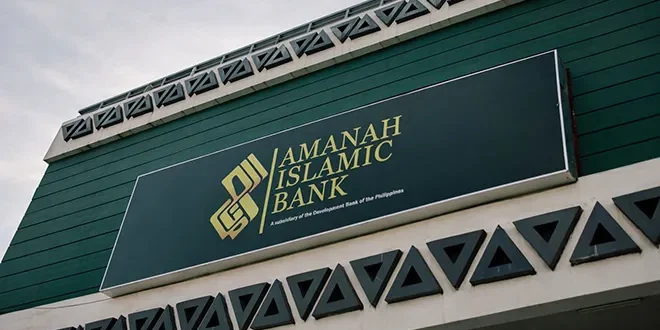
State-owned Al-Amanah Investment Bank of the Philippines is preparing financing support for micro, small and medium enterprises (MSMEs) seeking to expand into the fast-growing halal market.
The bank is still determining how much capital it will allocate for the program, but Chairperson and Chief Executive Officer Amenah Pangandaman said the initiative is intended to help businesses that struggle to secure conventional bank financing.
“We have the demand to fill, we have our people to do the job, we have a huge market waiting for us, but without the capital –the financing– it will always be an arduous task to get out of that niche market concept attached to halal,” Pangandaman said during the recently-held Philippine Halal Industry Summit.
She said financing must cover more than the initial production needs of MSMEs, as businesses also have to spend on certification, logistics, expansion and eventually export requirements.
“Financing for our MSMEs must support the entire value chain. It is not enough that we provide their capital for production, as it is still a long journey as we move toward certification, logistics, scaling up, and eventually exporting,” she said.
MSMEs make up 99.5 percent of business establishments in the Philippines, but many face difficulty raising the funds needed to enter the halal market.
To broaden access to financing, Al-Amanah is working with the Department of Trade and Industry on support for halal-related expansion, including accreditation expenses and the development of halal slaughterhouse facilities.
The bank will also work with the Cooperative Development Authority to help cooperatives involved in the halal industry expand their operations.
Al-Amanah and the National Commission on Muslim Filipinos have likewise agreed to pursue a memorandum of understanding covering Islamic financing support for MSMEs and halal certifying bodies.
Pangandaman said the cost and complexity of halal certification should not prevent small businesses from entering the market.
“There is no denying that halal certification, here and elsewhere, can be difficult, extensive, and costly for MSMEs, but the returns for both consumers and businesses are also abundant,” she said.
“As we work toward accessible and understandable certification, we must also put in mind that it should not become an unnecessary hurdle for our MSMEs.”
The global halal industry is projected to grow to $10 trillion by 2030 from an estimated $4 trillion, driven by a growing Muslim population and increasing demand from consumers who associate halal products with stringent quality and health standards.
The Philippine government, through its Halal Industry Development Strategic Plan, is targeting ₱230 billion in investments by 2028.
It also aims to double halal-certified products and services from 3,000 to 6,000 and generate 120,000 jobs.