 The Market Monitor Minding the Nation's Business
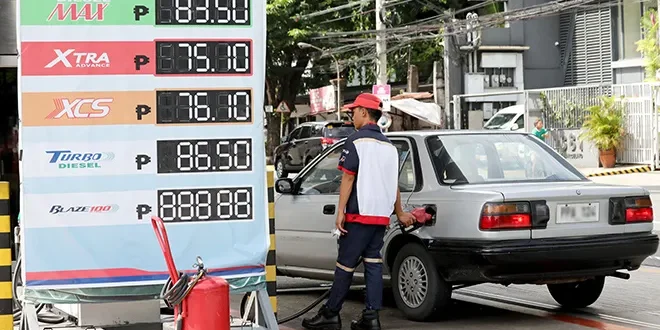
President Ferdinand R. Marcos Jr. on Monday highlighted a series of government interventions aimed at protecting commuters, transport workers and businesses from the impact of soaring global oil prices, saying the measures helped keep the country’s transport sector moving despite the crisis.
In his 2026 State of the Nation Address (SONA), Marcos described the transport industry as the “piston” of the economy, stressing that disruptions in mobility would have far-reaching effects on livelihoods and economic activity.
“Ngunit hindi natin kayang hayaang tumigil o maantala ito, dahil ito’y nagsisilbing piston ng ating ekonomiya,” the President said.
To support public utility vehicle operators and drivers, Marcos said the government provided cash assistance through the Assistance to Individuals in Crisis Situations (AICS) program, benefiting more than 1.8 million drivers. Passenger jeepneys and UV Express units also received a ₱10-per-liter diesel subsidy to help offset rising fuel costs.
For commuters, the President cited the implementation of the Libreng Sakay program, where government agencies deployed vehicles to offer free rides, while the Department of Agriculture used its fleet to transport agricultural products to trading centers across the country.
Marcos also pointed to the revival of the Service Contracting Program, which provides additional income to qualified bus and jeepney operators and drivers based on the distance they travel while serving passengers. Under the program, commuters receive a 20-percent fare discount, while students, senior citizens and persons with disabilities enjoy a combined 40-percent fare reduction.
The President added that public transport drivers also received supplemental earnings through the TUPAD Tuloy Pasada Program.
Rail commuters likewise continued to benefit from reduced fares, with passengers of the Light Rail Transit Line 2 (LRT-2) and Metro Rail Transit Line 3 (MRT-3) enjoying a 50-percent fare discount, along with special fare promotions on Sundays and major holidays.
Beyond land transportation, Marcos said the government temporarily reduced or waived several charges at airports and seaports to lower transport and logistics costs. These included cuts in terminal fees, landing and takeoff fees, harbor and berthing charges, as well as storage fees.
He cited Cebu Port, where terminal fees were waived, and airports nationwide, where passenger service charges were lowered. At the Parañaque Integrated Terminal Exchange (PITX), terminal fees for passenger vehicles were suspended for three months, while motorists using expressways were granted toll discounts of up to nearly ₱200.
To support food supply chains, Marcos said terminal fees for agricultural products transported via Roll-on/Roll-off (RoRo) vessels were reduced from ₱500 to just ₱1, while Department of Agriculture-accredited trucks were allowed free passage on expressways.
The President said the combined measures provided direct relief to millions of Filipinos during a period of elevated fuel prices, helping cushion the effects of the global energy crisis on households, businesses and the broader economy.