 The Market Monitor Minding the Nation's Business
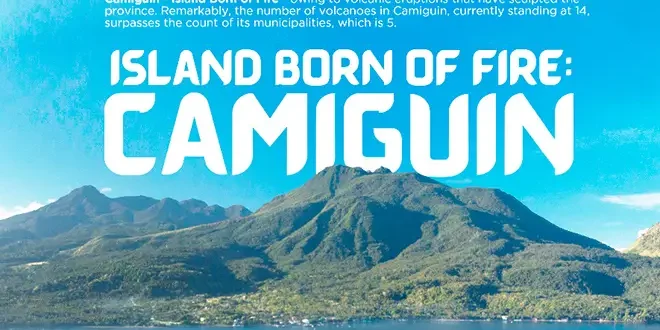
Tourism on Camiguin island continues to thrive despite its hot springs losing some of their steam after an earthquake altered the water flow.
The 20-kilometre-long island, home to four stratovolcanoes and several flank lava domes, is investing in tourism infrastructure including road upgrades and cruise port development.
Camiguin, which saw a 37% increase in visitor arrivals in 2024, targets 1 million visitors for 2025. The provincial government is actively promoting its natural beauty, cultural heritage and adventure activities through events such as the “Lanzones Festival”, “Climb Camiguin” and “San Juan sa Hibok-Hibok Festival”.
Under the slogan “Island Born of Fire”, Camiguin is developing Balbagon port to accommodate large cruise ships. In 2024, the island hosted 269,981 local visitors and 18,577 foreign tourists, mostly from Europe.
Camiguin, second smallest province in the Philippines, has more than 80 hotels and resorts.
Its top attractions include the Camiguin Lanzones Festival, held every third or fourth week of October, which celebrates the sweet fruit. While the main Camiguin Island has gray or black sand beaches, it is famous for uninhabited sandbars like White Island, a seven-minute boat ride away. Its pristine white sands and clear waters offer a stunning backdrop of Mount Hibok-Hibok.
Mount Hibok-Hibok is an active stratovolcano popular among adventurous hikers. Mantigue Island, a protected marine sanctuary, has a small forest, white sand beaches and vibrant coral gardens teeming with marine life, making it excellent for swimming, snorkeling and diving.
Camiguin is also known for its waterfalls such as Katibawasan Falls and Tuasan Falls. The island features mineral springs like Sto. Niño Cold Spring, with cool waters flowing from Mount Mambajao; Ardent Hot Spring at the foot of Mount Hibok-Hibok; and Bura Soda Water Swimming Pool, where the water is said to taste like soda.
Historical sites include the Sunken Cemetery, marked by a large concrete cross, which sank below the sea after an 1870s volcanic eruption. The Guiob Church Ruins (old Spanish church ruins/Bonbon Church ruins) were part of a colonial church destroyed by an 1871 volcanic eruption.
The Department of Tourism (DOT) fully supports tourism promotion in Camiguin.