 The Market Monitor Minding the Nation's Business
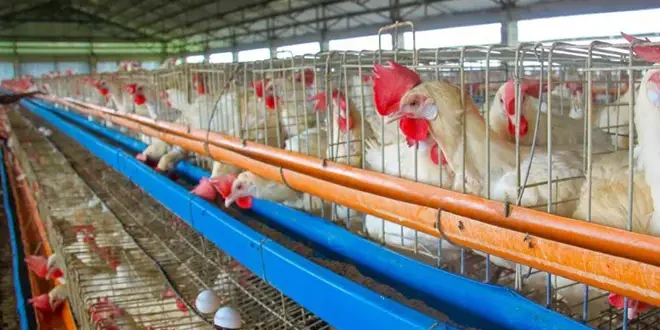
With the ban on March 4 on importation of domestic and wild birds, poultry products from Indiana, New York and Pennsylvania because of bird flu outbreaks in these states, the Department of Agriculture expects local chicken prices to soar.
In a press release, the DA said the temporary ban, contained in Memorandum Order 14, aims to protect the health of the local poultry population which creates jobs, generates investments and is essential in ensuring food security.
MO 14 cited several outbreaks of the highly pathogenic avian influenza (HPAI) H5N1 strain reported in these states as of February 20, confirmed by U.S. veterinary authorities.
DA Secretary Francisco Tiu Laurel Jr. said the rapid spread of the virus necessitated the wider coverage of trade restrictions to prevent its entry into the Philippines.
The restrictions apply to all domestic and wild birds, including poultry meat, eggs, day-old chicks, semen, and other related products from the affected areas, he added.
The order also mandates the suspension of processing, evaluation, and issuance of Sanitary and Phytosanitary Import Clearances for these commodities.
However, shipments already in transit, loaded, or accepted before the official communication of the ban may be allowed, provided that the products were slaughtered or produced at least 14 days prior to the first outbreak in each state.
For Indiana, the first outbreak occurred on January 3, in Jay County; for New York, on January 17, in Suffolk County; and for Pennsylvania, on February 4, in Dauphin County.
Shipments that do not meet these conditions will be stopped and confiscated by veterinary quarantine officers at major ports of entry.
The ban is effective immediately and will remain in place unless revoked in writing.
On March 6, the DA lifted the ban on poultry imports from France.
Memorandum Order 13 ordered the ban on the importation of domestic and wild birds, as well as poultry products from France, lifted.
Laurel said after the official report of the French veterinary authorities to the Office International des Epizooties (OIE) or the World Organisation for Animal Health (WOAH) have reflected that all reported cases of HPAI have ended with resolved status and no additional outbreaks after February 4, 2025..
Last year’s outbreak in France had initially prompted the DA to impose strict restrictions on French poultry imports, including poultry meat, day-old chicks, eggs, and semen.
This decision comes after an assessment by the DA’s Bureau of Animal Industry (BAI) and careful review of the situation in France, where the disease’s containment appears to have been successful.
The lifting of the ban is expected to ease trade tensions and support the poultry industry, which has been adversely impacted by the restrictions.
However, the DA has emphasized the continued monitoring of all incoming shipments, with strict quarantine protocols to ensure the country’s biosecurity remains uncompromised.
Meanwhile the Meat Importers and Traders Association (Mita) expects domestic chicken prices to rise following consecutive bans on poultry products from several US states due to cases of bird flu.
Mita President Emeritus Jesus Cham said the government’s move to suspend inbound shipments of poultry goods from US states comes at a time when the industry is grappling with the delay in minimum access volume (MAV) allocation and higher duties levied on the products.
“The ban will certainly exacerbate the situation,” Cham told the BusinessMirror on Monday. “For Philippines, less supply means higher domestic prices, especially since day-old chicks are very expensive now,” he said.
Industry sources noted that the price of day-old chicks currently ranges from P52 to P54.
The Department of Agriculture (DA) has temporarily suspended imports of poultry products, such as poultry meat, day-old chicks, eggs, and semen from ten US states due to confirmed bird flu outbreaks.
These states include Indiana, New York, Pennsylvania, Illinois, Minnesota, Ohio, Wisconsin, South Dakota, Maryland, and Missouri.
United States is the nation’s second-biggest supplier of chicken products, accounting for 33 percent or 158,159 metric tons (MT) of the total shipments last year.
Data from the Bureau of Animal Industry (BAI) showed that the Philippines imported 472,211 MT of chicken in 2024.