 The Market Monitor Minding the Nation's Business
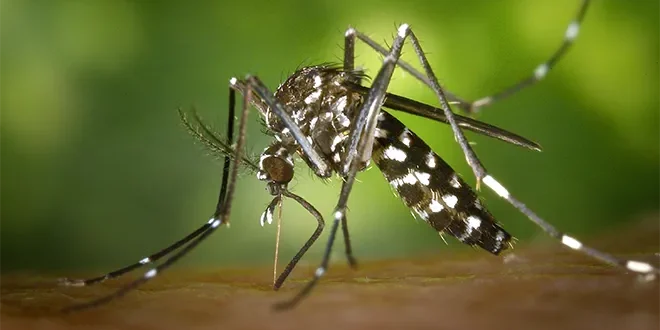
The Department of Health (DOH) has observed a decline in dengue cases nationwide over the past four weeks, attributing the slowdown to increased public awareness and proactive community efforts.
Between January 19 and February 15, a total of 15,134 dengue cases were recorded, reflecting a five percent drop compared to the same period last year.
“This welcome change may be due to heightened public awareness and collective action following the recent calls to action. In focus would be the more frequent clean-up drives to search and destroy stagnant water mosquito breeding sites, and misting or fogging in hotspot areas with high mosquito vector load,” the DOH stated.
Despite the recent decline, the overall dengue case count from January 1 to February 15 has reached 43,732—marking a 56 percent increase from the 27,995 cases recorded in the same timeframe last year. More than half of the cases were reported in Calabarzon (9,113), the National Capital Region (7,551), and Central Luzon (7,362).
The DOH noted that the case fatality ratio (CFR) this year stands at 0.38 percent, slightly lower than last year’s 0.42 percent, indicating effective diagnosis and management based on World Health Organization (WHO) standards.
Seventeen local government units (LGUs) in the three most affected regions have been identified as dengue hotspots. The DOH reaffirmed its readiness to assist LGUs in implementing intensified response measures.
“The Centers for Health Development are also coordinating with LGUs to implement necessary preventive measures to combat the spread of dengue. LGUs have also launched intensive vector control measures and clean-up drives to eliminate mosquito breeding sites,” the department said.
To support local response efforts, the DOH has prepositioned thousands of Dengue IgG/IgM and Dengue RDT (NS1) test kits and directed all government hospitals and health facilities to reactivate dengue fast lanes for swift diagnosis and treatment.
As most cases involve children aged five to 14, the DOH urged parents and caregivers to take preventive measures, such as dressing children in long-sleeved clothing and pants, applying mosquito repellent, using mosquito nets, and avoiding mosquito-prone areas.