 The Market Monitor Minding the Nation's Business
By Jesse C. Ong
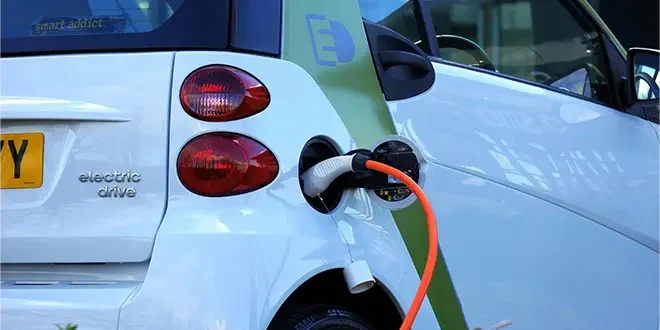
The country’s electric vehicle (EV) industry is set for a significant boost after the House of Representatives approved House Bill (HB) 10960 on its third and final reading Tuesday last week.
The measure aims to make electric vehicles more affordable while contributing to the country’s efforts to reduce greenhouse gas emissions.
With 196 affirmative votes, three negative, and one abstention, HB 10960 proposes a zero percent tariff rate for the importation of fully built EV units for five years.
This amendment to the Republic Act (RA) 11697, also known as the “Electric Vehicle Industry Development Act,” is expected to encourage the wider adoption of EVs in the country.
The bill defines electric vehicles as two, three, and four-wheeled vehicles or any other vehicle equipped with at least one electric drive for propulsion. This broad definition aims to cover a wide range of EV types, including electric bicycles, motorcycles, and cars, paving the way for a more inclusive EV industry.
By eliminating tariffs on EV imports, HB 10960 seeks to address cost barriers that have slowed the adoption of electric vehicles in the Philippines. The move is aligned with global efforts to transition to cleaner energy solutions and combat climate change. Industry stakeholders expect the measure to attract more players in the EV market, create jobs, and contribute to the country’s economic growth.
In a separate development, the House also unanimously approved HB 11113, which rationalizes safety regulations and penalties under the Motorcycle Crime Prevention Act (RA 11235). The measure garnered 208 affirmative votes.
Iloilo City Representative Julienne Baronda, one of the bill’s proponents, said the measure addresses safety concerns raised by motorcycle riders, particularly regarding the installation of larger front plates.
“Under HB 11113, we propose to remove the requirement for larger front motorcycle plates,” Baronda said, emphasizing that the change would enhance safety without compromising law enforcement efforts.
The measure also introduces reduced penalties for certain violations. For example, the fine for driving a motorcycle without the required number plate will be reduced to no more than P5,000, down from the current range of P50,000 to P100,000.
Additionally, the intentional use of tampered or fake number plates will incur a maximum fine of P20,000, replacing harsher penalties that include imprisonment.
These legislative developments reflect the government’s commitment to addressing environmental and safety concerns while promoting economic growth and consumer welfare. Both measures now await deliberation in the Senate.