 The Market Monitor Minding the Nation's Business
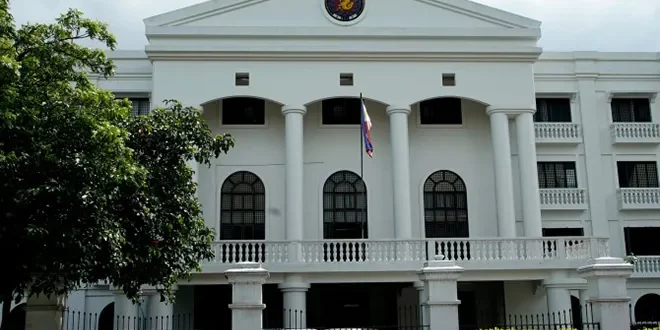
The Department of Budget and Management (DBM) on Thursday said the government could save as much as ₱25.6 billion this year after enforcing a 20-percent reduction in non-essential spending across agencies.
The cost-cutting measure is part of efforts to create fiscal space as geopolitical tensions in the Middle East continue to disrupt global energy supply and drive up fuel prices.
Under the policy, national government agencies are required to trim non-essential Maintenance and Other Operating Expenses (MOOE), with stricter efficiency measures now in place.
“These include limiting official travel to essential activities, maximizing virtual engagements, strengthening energy conservation efforts, and streamlining operational expenditures,” the DBM said.
“These measures are expected to generate savings ranging from ₱12.8 billion to ₱25.6 billion from March to December 2026, depending on the level of compliance across agencies,” it added.
DBM Acting Secretary Rolando Toledo clarified that essential services—such as education, healthcare, and social protection—are exempt from the mandatory spending cuts.
He emphasized that government support will remain targeted to ensure that vulnerable sectors continue to receive assistance despite tighter fiscal controls.
“The instruction of President Ferdinand R. Marcos Jr. is to protect the Filipino people first. Even as we tighten spending, we will ensure that critical services remain uninterrupted and that assistance reaches those who need it most,” Toledo said.
To mitigate the broader impact of the crisis, the government has set aside ₱238 billion sourced from the 2026 national budget, continuing appropriations, and automatic appropriations.
The fund will support key interventions, including fuel subsidies for transport operators, aid for farmers and fisherfolk, healthcare services, and other targeted social protection programs.
Initial measures already being implemented include ₱2.5 billion in fuel subsidies for the transport sector and an additional ₱1 billion allocated for service contracting.