 The Market Monitor Minding the Nation's Business
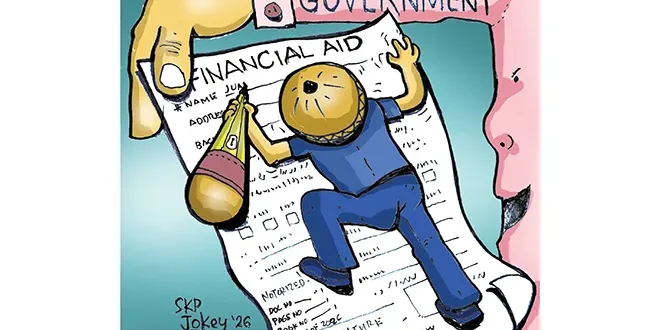
When confronted by a crisis, the Philippine government’s default response has become predictable: dole out cash. In the midst of a surge in fuel prices, it is called a fuel subsidy. When typhoons and floods strike, it becomes a cash grant. For poor households, there is the Pantawid Pamilyang Pilipino Program (4Ps). Those facing emergencies can turn to Assistance to Individuals in Crisis Situations (AICS). Repatriated overseas workers receive livelihood assistance. Farmers are given Rice Farmers Financial Assistance. Senior citizens collect a monthly ₱1,000 payout.
On paper, these programs appear compassionate and responsive. In reality, they reflect a troubling mindset—that money alone can solve complex national problems.
Cash assistance certainly provides temporary relief. But relief is not the same as resolution. The deeper issue is that these programs have gradually become the government’s substitute for long-term solutions. When fuel prices soar, instead of fixing structural weaknesses in the country’s energy system, authorities simply distribute a few thousand pesos and call it intervention.
Take the ₱5,000 fuel subsidy for public utility drivers. By most estimates, that amount covers only three to five days of fuel consumption. What happens when the subsidy runs out? The inevitable fare increases will again burden commuters, most of whom are already struggling with the rising cost of living.
Even more troubling is the long history of corruption and leakages that accompany large-scale cash distribution. At various levels of government, funds meant for the most vulnerable often become vulnerable themselves—to political manipulation, favoritism and outright misuse.
And the question remains: if subsidies are the answer, what cash dole-out will be given to more than 110 million Filipinos who must cope with inflation every day?
What the country truly lacks is not compassion but imagination and foresight. Leaders have failed to plan for predictable crises such as volatile global fuel prices. Decades ago, the Philippines could have aggressively invested in renewable energy—solar, wind, geothermal and hydro—reducing dependence on imported fuel.
Instead, renewable energy support often exists only in press releases and sound-bytes.
The country does not need more short-term band-aids. It needs bold, long-term energy transformation. What we need is a serious champion for renewable energy—someone with the conviction and courage of the late Gina Lopez—to push the nation toward a sustainable and secure future.